
How to Scrap a Car
If you're wondering how to scrap a car, you're not alone. Whether your vehicle has failed its MOT, become uneconomical to repair or simply reached the end of its life, understanding the correct process can save you time, money and unnecessary stress.
Many people ask questions such as:
- How do I scrap my car?
- How do I scrap a vehicle legally?
- What do I need to scrap my car?
- What paperwork is required?
The good news is that scrapping a car is usually straightforward when you use a licensed Authorised Treatment Facility (ATF).
This guide explains everything you need to know about scrapping a vehicle, including the DVLA process, V5C requirements, insurance, tax refunds, payment and what happens to the vehicle after collection.
Scrap a Car Guide
A simple 8 step process from quote to recycling

Get a Quote
Enter your reg and details about your vehicle to receive a free, no obligation quote.
Accept Your Offer
Happy with the price? Accept your offer and we'll arrange a collection that suits you.

Schedule Collection
Choose a convenient date and time. We offer free collection across South Wales.

We Collect Your Car
Our driver will collect your vehicle from your chosen location. You don't need to be there.

Paperwork Completed
We'll complete the necessary paperwork and notify the DVLA that your vehicle has been scrapped.

Payment Made
Payment is made securely via bank transfer on the day of collection or as agreed.

Vehicle Dismantled
Your vehicle is taken to our authorised facility where it is safely depolluted and dismantled.

Materials Recycled
Usable parts are reused and the rest is recycled responsibly, reducing waste and helping the environment.

We notify the DVLA so you're no longer responsible.

Free collection with no surprise charges.

Safe, legal payment via bank transfer.

Up to 95% of your vehicle is recycled.
What Is the DVLA Process When Scrapping a Car?
One of the most important parts of scrapping a car is ensuring the DVLA is informed correctly.
When you scrap a vehicle through a licensed Authorised Treatment Facility (ATF), the vehicle must be officially recorded as destroyed.
The DVLA process is designed to:
- Remove the vehicle from your ownership
- Update the vehicle record
- Prevent future liability
- Ensure the vehicle is recycled legally
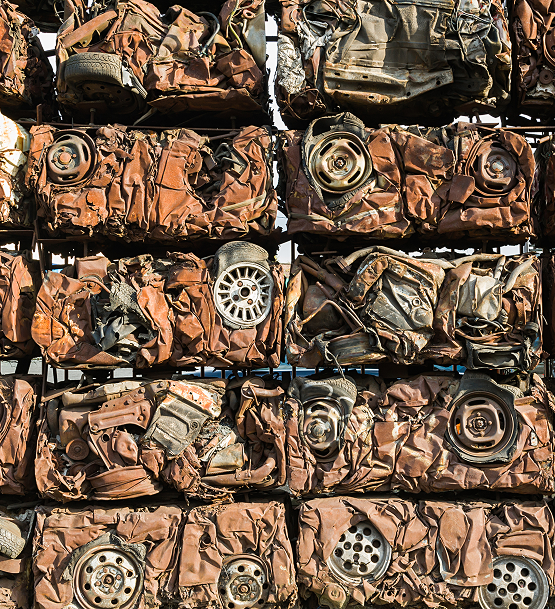
When your vehicle arrives at an authorised scrapyard, the facility will notify the DVLA that the vehicle has been scrapped. You should also make sure you complete the relevant section of your V5C logbook if you have one.
Once the process is complete, you are no longer legally responsible for the vehicle. Using a licensed ATF is important because it ensures the vehicle is processed in accordance with environmental regulations and DVLA requirements.
What About the V5C Logbook?
Many people asking how to scrap a car are concerned about the V5C logbook.
The V5C is helpful but it is not always essential.
If you have the V5C:
- Complete the relevant section that confirms the vehicle has been transferred to an Authorised Treatment Facility.
- Ensure the details are accurate.
- Keep any confirmation received from the DVLA.
If you do not have the V5C:
- You can still scrap the vehicle.
- Additional identification may be required.
- The scrapyard may ask for proof of ownership.
It is a common myth that a car cannot be scrapped without a V5C. In reality, licensed scrap car dealers can usually help complete the process even if the document has been lost.
Do I Need a Certificate of Destruction?
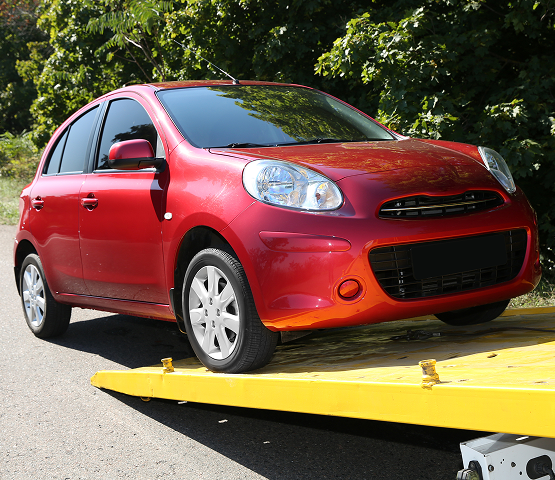
A Certificate of Destruction (CoD) is an official document issued when certain vehicles are scrapped through an Authorised Treatment Facility.
Its purpose is to confirm that the vehicle has been permanently destroyed and removed from the road.
Not every vehicle owner will automatically receive a Certificate of Destruction, and in many cases the DVLA notification process provides sufficient confirmation that the vehicle has been scrapped.
However, where issued, a Certificate of Destruction provides reassurance that:
- The vehicle has been dismantled legally.
- Ownership responsibility has ended.
- The vehicle cannot return to the road.
If you have any concerns, always ask your scrap car dealer whether a Certificate of Destruction will be issued for your vehicle.
Do I Need to Tell My Insurance Company?
Yes.
Once your vehicle has been collected and scrapped, you should contact your insurance company to inform them that the vehicle is no longer in your possession.
This helps ensure:
- Future premiums are not charged unnecessarily.
- Any remaining balance can be adjusted.
- The vehicle is removed from your policy.
If you have sold the vehicle for scrap before your policy expires, you may be entitled to a partial refund depending on your insurer's terms and conditions.
Can I Get a Tax Refund?

In many cases, yes.
Vehicle tax is no longer transferred with ownership. Once the DVLA records the vehicle as scrapped, any complete remaining months of vehicle tax are normally refunded automatically to the registered keeper.
The refund is usually sent by cheque to the address held by the DVLA.
The amount refunded will depend on:
- How many full months remain.
- The vehicle's taxation status.
- The information held by the DVLA.
If your address has changed recently, it is worth checking that the DVLA has your correct details.
Scrap a Car Guide
A simple 8 step process from quote to recycling
Provide details about your vehicle including:
- Registration number
- Vehicle make and model
- Location
- Condition
We'll provide a competitive quotation based on the current market value of your vehicle.
A convenient collection date is agreed.
Many vehicles can be collected from:
- Homes
- Workplaces
- Garages
- Recovery yards
Our driver will collect the vehicle and complete the necessary paperwork.

The vehicle enters the authorised recycling process and the relevant notifications are completed.
How Payment Is Made
Payment for scrap vehicles must comply with current UK legislation.
Cash payments for scrap vehicles are not permitted.
Payment is normally made using secure electronic methods such as:
- Bank transfer
- Faster Payments
- Business cheque (where applicable)
The exact payment method will be confirmed when collection is arranged. This provides a secure and traceable transaction for both parties.

What Happens to the Vehicle After It Is Scrapped?
Many people are surprised to learn how much of a vehicle can be recycled.
Once a vehicle arrives at an Authorised Treatment Facility, it goes through several stages.
Depollution
Hazardous materials are safely removed including:
- Fuel
- Oil
- Brake fluid
- Coolant
- Batteries
Parts Recovery
Reusable components may be removed for resale where appropriate. Examples include:
- Engines
- Gearboxes
- Wheels
- Body panels
Metal Recycling
The remaining shell is processed and recycled. A significant percentage of modern vehicles can be recovered and reused, reducing waste and helping to protect the environment.
Frequently Asked Questions About Scrapping a Car
What do I need to scrap my car?
Can I scrap a car without a V5C?
How long does it take to scrap a vehicle?
Can I scrap a non-running vehicle?
How do I know my vehicle has been scrapped legally?
Conclusion
If you're wondering how to scrap a car, the process is usually much simpler than many people expect. By using a licensed Authorised Treatment Facility, ensuring the DVLA is informed correctly and providing any necessary ownership documentation, you can scrap your vehicle legally and with confidence.
Whether you're scrapping a vehicle that has failed its MOT, become uneconomical to repair or simply reached the end of its useful life, understanding the process helps ensure everything is handled correctly from collection through to recycling.
If you need any specific further clarification you can read our related guides here:
