
Mistakes to Avoid When Scrapping Your Car
Scrapping a car is usually a straightforward process, but many vehicle owners make avoidable mistakes that can cost them time, money and unnecessary stress. Whether your vehicle has failed its MOT, become too expensive to repair or simply reached the end of its life, understanding the process before arranging collection can help ensure everything goes smoothly.
Many people focus solely on getting the highest quote, but there are several other factors that should be considered. Failing to notify the DVLA correctly, using an unlicensed operator or forgetting important paperwork can all create problems later.
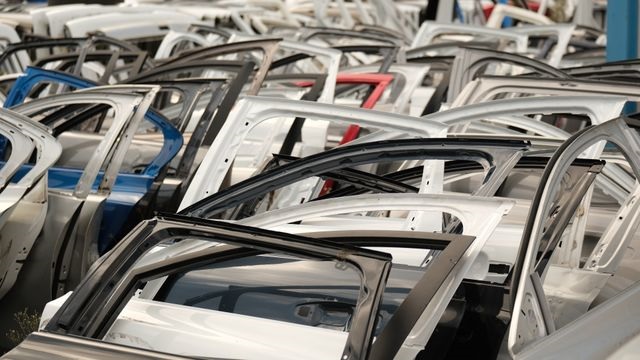
In this guide, we'll look at the most common mistakes people make when scrapping their vehicle and explain how to avoid them.
Mistake 1: Not Understanding the Scrapping Process
One of the biggest mistakes people make is arranging disposal without understanding what actually happens when a vehicle is scrapped.
Many owners are unsure about:
- DVLA requirements
- Vehicle ownership responsibilities
- Collection procedures
- Payment regulations
- Recycling processes
Taking a few minutes to understand the process can help avoid confusion and ensure everything is completed correctly.
If you're unfamiliar with the steps involved in scrapping a car, it's worth reading a complete guide before making any decisions.
Mistake 2: Choosing the First Quote You Receive
When a vehicle reaches the end of its life, many owners simply accept the first offer they receive.
While this may be convenient, it isn't always the best approach.
Scrap vehicle values can vary depending on:
- Current metal prices
- Vehicle weight
- Demand for parts
- Collection costs
- Vehicle condition
Obtaining multiple quotations allows you to compare offers and understand the true market value of your vehicle.
That doesn't necessarily mean choosing the highest offer. Reliability, professionalism and compliance should also be considered.
Mistake 3: Focusing Only on Price
A slightly higher offer can sometimes hide a poor service experience.
For example:
- Delayed collections
- Hidden charges
- Poor communication
- Unclear paperwork
- Collection complications
A reputable company should provide a transparent quotation and explain exactly what is included.
If you're researching how values are calculated, our guide to scrap car prices explains the factors that influence scrap vehicle valuations.
Mistake 4: Using an Unlicensed Operator
This is one of the most serious mistakes a vehicle owner can make.
Vehicles should be processed through Authorised Treatment Facilities (ATFs), which are licensed to handle end-of-life vehicles.
Using an unlicensed operator can create several risks:
- Environmental regulations may not be followed.
- DVLA records may not be updated correctly.
- The vehicle could be sold on unlawfully.
- Ownership responsibility may not be removed properly.
A legitimate operator should be able to explain where the vehicle is going and how it will be processed.
Always ask questions if you are unsure.
Mistake 5: Forgetting to Notify the DVLA
Many people assume that once the vehicle has been collected, their responsibilities automatically end.
While authorised operators can assist with the disposal process, vehicle owners should always ensure the relevant notifications are completed.
Failing to ensure the DVLA is informed could result in:
- Future correspondence relating to the vehicle
- Tax complications
- Parking notices
- Enforcement issues
Keeping confirmation of disposal and any relevant documentation is always recommended.
Mistake 6: Leaving Personal Belongings in the Vehicle
This happens far more often than most people realise.
Before collection takes place, thoroughly check:
The Glovebox
Important documents, sunglasses and personal items are frequently forgotten here.
Door Pockets
Maps, chargers and receipts often accumulate over time.
The Boot
Many people forget:
- Tools
- Emergency equipment
- Sports equipment
- Personal possessions
Under the Seats
Lost items can easily remain hidden for years.
Once a vehicle enters the dismantling process, recovering forgotten belongings may not be possible.
Mistake 7: Not Removing Personal Information
Modern vehicles often contain significant amounts of personal information.
Examples include:
- Sat nav destinations
- Bluetooth phone records
- Contact lists
- Stored addresses
- Connected device information
Where possible, reset infotainment systems and remove personal data before collection.
This simple step helps protect your privacy.
Mistake 8: Cancelling Insurance Too Early
Some owners cancel their insurance before collection has actually taken place.
While it may seem logical to stop paying for a vehicle you no longer intend to use, cancelling too early can leave you exposed.
The vehicle may still be vulnerable to:
- Theft
- Fire
- Storm damage
- Vandalism
It is often sensible to wait until collection has been completed before finalising insurance arrangements.
Mistake 9: Forgetting About Vehicle Tax
Vehicle tax and vehicle disposal are closely linked.
Many owners are entitled to a refund for any complete remaining months of vehicle tax after a vehicle has been scrapped.
However, failing to keep your DVLA records up to date can delay this process.
Always ensure:
- Your address is correct.
- Disposal has been recorded properly.
- Relevant notifications have been completed.
This helps avoid unnecessary complications.
Mistake 10: Misunderstanding Vehicle Ownership
Many people believe the V5C logbook proves ownership.
In reality, the V5C identifies the registered keeper rather than proving ownership.
This distinction becomes important when:
- Family members are involved.
- Vehicles are inherited.
- Documentation has been lost.
- Ownership is disputed.
Before arranging disposal, make sure you have authority to dispose of the vehicle.
Mistake 11: Ignoring Collection Arrangements
Some owners underestimate the importance of planning for collection day.
Questions worth considering include:
- Can the recovery vehicle access the location?
- Are keys available?
- Is the vehicle blocked in?
- Is the address easy to find?
Preparing in advance helps avoid delays and unnecessary complications.
If you're unsure what happens during the collection process, our guide to scrap car collection explains what to expect.
Mistake 12: Waiting Too Long to Make a Decision
Many vehicles remain parked on driveways for months or even years because owners keep postponing a decision.
This can create additional problems:
- Deterioration
- Reduced value
- Storage issues
- Ongoing maintenance concerns
While some vehicles may still be worth repairing, others continue to lose value the longer they remain unused.
Taking action sooner rather than later can often simplify the process.
Mistake 13: Assuming Every Vehicle Is Worth the Same
A common misconception is that all scrap cars have similar values.
In reality, values vary considerably.
Factors affecting valuation include:
- Weight
- Make and model
- Metal prices
- Engine size
- Condition
- Parts demand
Two vehicles of similar age can have significantly different scrap values.
Understanding these factors helps set realistic expectations.
Mistake 14: Not Asking About Disposal Documentation
Vehicle owners should always understand what documentation will be provided after disposal.
Depending on the circumstances, this may include:
- Collection records
- Disposal confirmation
- Authorised recycling documentation
Keeping these records provides reassurance that the vehicle has been processed correctly.
If you're interested in understanding the documentation associated with vehicle disposal, our article on what is a Certificate of Destruction explains its purpose and importance.
Mistake 15: Keeping a Non-Runner on SORN Indefinitely
Many owners place vehicles on SORN while deciding what to do with them.
This is often sensible in the short term.
However, some vehicles remain under SORN for years while continuing to deteriorate.
If the vehicle is unlikely to return to the road, continuing to store it indefinitely may not be the most practical solution.
Our guide on how do I SORN a vehicle explains how SORN works and when it may be appropriate.
Common Questions About Scrapping a Car
Do I Need a V5C to Scrap My Car?
Not always. While having a V5C can make the process simpler, vehicles can often still be scrapped without one.
How Long Does It Take to Scrap a Vehicle?
Collection can often be arranged within a few days, depending on availability and location.
Can a Non-Running Vehicle Be Collected?
Yes. Many scrap vehicle operators collect non-runners and MOT failures.
Do I Get Paid in Cash?
No. Current regulations prohibit cash payments for scrap vehicles.
What Happens to My Vehicle After Collection?
The vehicle enters an authorised recycling process where hazardous materials are removed and recyclable components are recovered.
Final Thoughts
Most mistakes people make when scrapping a car are entirely avoidable. By understanding the process, choosing a reputable operator, preparing the vehicle properly and ensuring the correct documentation is completed, you can avoid unnecessary stress and ensure your vehicle is disposed of legally and responsibly.
Taking a little time to understand the process beforehand can help protect your interests, maximise value and ensure everything is handled correctly from collection through to recycling.
