
How Do I SORN a Vehicle? A Complete Guide to Declaring Your Car Off the Road
If you own a vehicle that you no longer use on public roads, you may need to make a Statutory Off Road Notification, more commonly known as a SORN.
Many vehicle owners ask questions such as:
- How do I SORN a vehicle?
- What does SORN mean?
- Can I keep a SORN vehicle on my driveway?
- Do I still need insurance?
- What happens if I eventually want to scrap the vehicle?
The good news is that applying for a SORN is usually a straightforward process. However, there are several important rules you should understand to avoid fines or penalties from the DVLA.
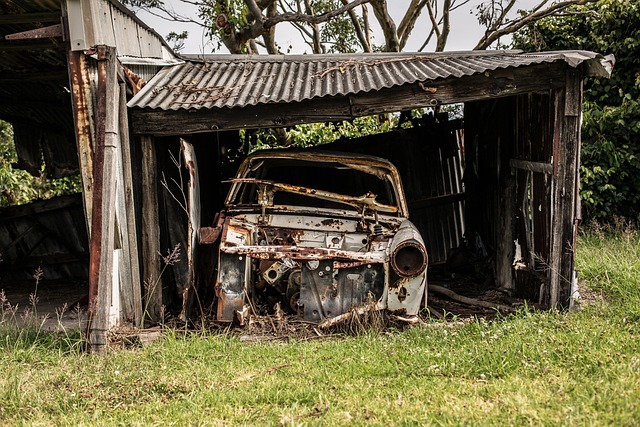
In this guide, we'll explain what a SORN is, when you need one, how to apply, what restrictions apply to SORN vehicles and what options are available if your vehicle is unlikely to return to the road.
What Does SORN Mean?
SORN stands for Statutory Off Road Notification.
It is a formal declaration made to the DVLA informing them that a vehicle is not being used or kept on a public road.
Once a vehicle has been declared SORN, it is exempt from vehicle tax requirements while it remains off the road.
A SORN is commonly used for:
- Classic cars stored over winter
- Vehicles undergoing restoration
- Damaged vehicles awaiting repair
- Cars that have failed an MOT
- Vehicles awaiting sale
- Vehicles nearing the end of their life
The key point is that a SORN vehicle must not be driven or parked on a public road unless travelling to a pre-booked MOT appointment or another permitted exception.
When Do You Need to SORN a Vehicle?
You should make a SORN if your vehicle is not taxed and is being kept off public roads.
Common situations include:
The Vehicle Has Failed Its MOT
Many owners declare a vehicle SORN after a major MOT failure while deciding whether to repair it or dispose of it.
The Vehicle Is Being Restored
Classic car enthusiasts often SORN vehicles while carrying out restoration work.
The Vehicle Is Not Currently Being Used
If a vehicle will not be driven for an extended period, declaring it off-road may be appropriate.
The Vehicle Is Awaiting Disposal
Some owners place a vehicle on SORN while deciding whether to sell it, repair it or ultimately scrap a vehicle.
How Do I Apply for a SORN?
Applying for a SORN is generally straightforward.
The DVLA provides several methods for making a Statutory Off Road Notification.
You will normally need:
- Vehicle registration number
- V5C logbook reference number (if available)
- Personal details associated with the vehicle
The application can typically be completed online, by phone or by post depending on your circumstances.
Most applications are processed quickly, particularly when completed online.
Does a SORN Start Immediately?
In many cases, yes.
If the vehicle is already untaxed, the SORN can usually take effect immediately.
However, if the vehicle is currently taxed, the effective date may vary depending on when the application is submitted and the vehicle's taxation status.
Always check the confirmation received from the DVLA to ensure the correct date has been recorded.
Where Can I Keep a SORN Vehicle?
A SORN vehicle must be kept off public roads.
Acceptable locations include:
- Private driveways
- Garages
- Private land
- Secure storage compounds
- Commercial premises
A SORN vehicle cannot normally be parked on:
- Public roads
- Public car parks
- Roadside parking bays
Even if the vehicle is not being driven, keeping it on a public road while under SORN could result in enforcement action.
Do I Need Insurance on a SORN Vehicle?
This is one of the most common questions vehicle owners ask.
While a SORN vehicle is not being used on public roads, insurance requirements may differ from those for taxed vehicles.
However, many owners still choose to insure SORN vehicles because they can remain vulnerable to:
- Theft
- Fire
- Vandalism
- Storm damage
- Accidental damage
This is particularly important for classic cars, restoration projects and vehicles stored for extended periods.
Always check your insurer's policy terms before cancelling cover.
Do I Need an MOT on a SORN Vehicle?
A SORN vehicle does not require a valid MOT certificate while it remains off the road.
However, if you intend to return the vehicle to normal use, it must usually meet the legal requirements relating to:
- Vehicle tax
- MOT testing
- Insurance
Many owners use a SORN period to decide whether repairs are worthwhile before committing further money to an ageing vehicle.
Can I Drive a SORN Vehicle?
Generally, no.
A SORN vehicle should not be driven on public roads.
There are limited exceptions, such as travelling to a pre-booked MOT test, but these situations are subject to specific rules.
Driving a SORN vehicle without meeting legal requirements can result in:
- Fines
- Penalty notices
- Vehicle seizure
- Insurance complications
If you are uncertain whether a journey is permitted, seek guidance before driving the vehicle.
How Long Does a SORN Last?
A SORN remains in force until one of the following occurs:
- The vehicle is taxed again.
- The vehicle is sold.
- The vehicle is permanently exported.
- The vehicle is scrapped.
Unlike older systems, a SORN does not generally need to be renewed annually.
However, you should always keep your records up to date and notify the DVLA of any relevant changes.
Can I Sell a SORN Vehicle?
Yes.
A vehicle can be sold while it is under SORN.
When ownership changes:
- The SORN does not transfer to the new owner.
- The new owner becomes responsible for the vehicle.
- The new owner must arrange tax and insurance if they intend to use the vehicle on public roads.
Many vehicles sold as restoration projects are transferred while under SORN.
What If My SORN Vehicle Has Failed Its MOT?
This is a common scenario.
Owners often face a decision between:
- Repairing the vehicle
- Selling the vehicle
- Breaking the vehicle for parts
- Scrapping the vehicle
The right option depends on factors such as:
- Repair costs
- Vehicle value
- Age
- Mechanical condition
- Market demand
If the cost of repairs exceeds the vehicle's value, scrapping may become the most practical solution.
Can I Scrap a SORN Vehicle?
Yes.
A vehicle does not need to be taxed or roadworthy to be scrapped.
In fact, many scrap vehicles have been on SORN for months or even years before disposal.
Common examples include:
- MOT failures
- Accident-damaged cars
- Non-runners
- Abandoned projects
- Vehicles with major mechanical faults
When the time comes to dispose of the vehicle, collection can usually be arranged from your home or storage location.
Our guide to scrap car collection explains how vehicles are collected and transported for recycling.
Will a SORN Vehicle Still Have Scrap Value?
In many cases, yes.
Even vehicles that have been off the road for years may retain value because of:
- Metal content
- Reusable components
- Engine parts
- Catalytic converters
- Wheels and tyres
The value of a vehicle depends on a variety of factors including:
- Weight
- Condition
- Make and model
- Current market conditions
If you want to understand how valuations are calculated, our guide to scrap car prices explains the factors that influence scrap vehicle values.
What Happens When a SORN Vehicle Is Scrapped?
When a SORN vehicle reaches the end of its life, it should be processed through an Authorised Treatment Facility (ATF).
The vehicle will typically undergo:
Depollution
Removal of:
- Fuel
- Oil
- Coolant
- Batteries
- Brake fluid
Parts Recovery
Reusable components may be removed for resale.
Recycling
The remaining vehicle shell is processed and recycled.
Depending on the circumstances, you may receive confirmation that the vehicle has entered the authorised disposal process.
You can learn more about this in our guide explaining what is a Certificate of Destruction.
Common Mistakes When SORNing a Vehicle
Many vehicle owners make simple mistakes that can lead to unnecessary problems.
Leaving the Vehicle on a Public Road
This is one of the most common errors and can result in enforcement action.
Assuming Insurance Is Not Required
While insurance may not be legally required in every situation, cancelling cover without considering the risks can be costly.
Forgetting About the Vehicle
Some vehicles remain on SORN for years before owners realise they have become uneconomical to repair.
Failing to Consider Disposal Options
If a vehicle is unlikely to return to the road, scrapping it may be more practical than continuing to store it indefinitely.
Frequently Asked Questions
What does SORN stand for?
SORN stands for Statutory Off Road Notification.
Can I park a SORN vehicle on the road?
No. A SORN vehicle must normally be kept on private land and not on a public road.
Do I need insurance on a SORN vehicle?
Not necessarily in every circumstance, but many owners choose to maintain insurance protection against theft, fire and accidental damage.
Can I sell a SORN vehicle?
Yes. The SORN does not transfer to the new owner.
Can I scrap a vehicle that is on SORN?
Yes. Many vehicles that are eventually scrapped have been under SORN before collection and recycling.
Conclusion
Making a Statutory Off Road Notification is an important step if your vehicle is not being used on public roads. Whether you are storing a classic car, dealing with an MOT failure or deciding what to do with an ageing vehicle, understanding the SORN process can help you stay compliant with DVLA requirements and avoid unnecessary penalties.
If your vehicle is unlikely to return to the road, it may eventually become more economical to dispose of it through an authorised recycling process. Understanding your options early can help you make the right decision and avoid ongoing storage, insurance and maintenance costs.
