A&L Scrap Car Dealers
Call us for a free no obligation quote today on: 01446 701707
call us today on 01446 701707

Tag: scrapping-cars

V5C logbook

If you're thinking about scrapping your vehicle but can't find the V5C logbook, you're not alone. One of the most common questions people ask is: Can I scrap a car without a V5?

The simple answer is yes. In most cases, you can legally scrap a vehicle without a V5C logbook, as long as you can prove that you are the rightful owner of the vehicle.

Many people assume that losing their V5 means they can't dispose of their car, but that's a common misconception. Vehicles are scrapped every day without a V5, and reputable Authorised Treatment Facilities (ATFs) have procedures in place to help owners complete the process legally.

In this guide, we'll explain everything you need to know about scrapping a car without a V5, what documentation you may need instead, how the DVLA process works, and the steps you should take to ensure your vehicle is disposed of correctly.

What Is a V5C Logbook?

Before discussing whether you can scrap a car without one, it's worth understanding what a V5C actually is.

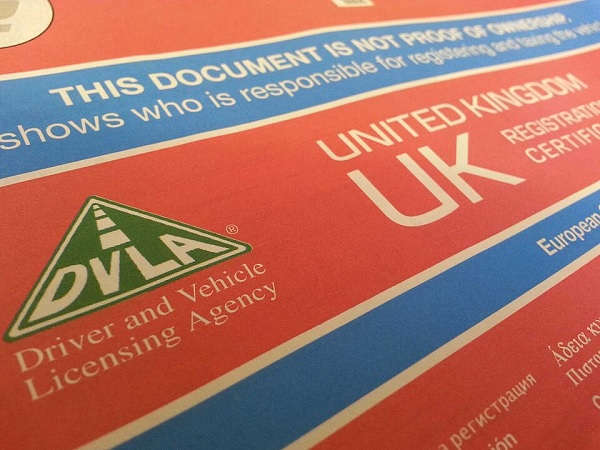
The V5C registration certificate, often referred to as the vehicle logbook, is issued by the DVLA and records details about a vehicle and its registered keeper.

V5C logbook

The document includes information such as:

  • Vehicle registration number
  • Vehicle make and model
  • Engine size
  • Vehicle Identification Number (VIN)
  • Registered keeper details

Importantly, the V5C is not proof of ownership. It simply identifies the person responsible for registering and taxing the vehicle.

This distinction is important because many people believe they cannot scrap a car if they have lost the logbook. In reality, licensed scrap car dealers understand that paperwork can go missing over the years.

Can You Legally Scrap a Car Without a V5?

Yes, you can legally scrap a car without a V5.

The DVLA does not require a V5C as an absolute condition for scrapping a vehicle. While having the document makes the process simpler, a missing V5 does not prevent a vehicle from being recycled.

Licensed Authorised Treatment Facilities can usually accept vehicles without a V5 provided they are satisfied that the person presenting the vehicle is entitled to do so.

If you're unsure about the overall process, our guide on how to scrap a car explains everything from collection through to DVLA notification and recycling.

Why Do People Lose Their V5?

There are many reasons why a vehicle owner may no longer have the logbook.

Common situations include:

  • The vehicle has been owned for many years.
  • The document has been lost during a house move.
  • The paperwork has been damaged or destroyed.
  • The vehicle has been off the road for a long period.
  • The owner inherited the vehicle and never received the documentation.

Because these situations are so common, scrap vehicle operators regularly deal with vehicles that no longer have a V5C available.

What Documents Can Be Used Instead?

Although a V5C isn't always required, you will usually need some alternative documentation to help establish your identity and connection to the vehicle.

Requirements vary between operators, but commonly accepted documents include:

Photographic Identification

You may be asked to provide:

  • Driving licence
  • Passport
  • Government-issued photo identification

Proof of Address

Examples include:

  • Utility bill
  • Council tax statement
  • Bank statement

Evidence of Ownership

Depending on the circumstances, supporting documents may include:

  • Purchase receipts
  • Insurance documentation
  • Service records
  • Previous MOT certificates

The exact requirements can vary, so it is always worth checking before collection is arranged.

Should I Apply for a Replacement V5?

In some situations, applying for a replacement V5C may be worthwhile.

For example, if:

  • You plan to sell the vehicle privately.
  • You need to update ownership details.
  • The vehicle still has significant value outside of the scrap market.

However, if your vehicle has reached the end of its life and you're ready to dispose of it immediately, waiting for a replacement logbook may simply delay the process unnecessarily.

Many vehicle owners choose to proceed directly with scrapping rather than waiting for replacement documentation to arrive.

How Does the DVLA Know the Vehicle Has Been Scrapped?

One concern many owners have is whether the DVLA will be informed if they do not have a V5.

This is where using a licensed Authorised Treatment Facility becomes particularly important.

When a vehicle is accepted by an authorised recycler, the appropriate notification process can be completed and the DVLA record updated accordingly.

This ensures:

  • The vehicle is removed from circulation.
  • You are no longer responsible for the vehicle.
  • Future tax or enforcement issues are avoided.
  • The vehicle cannot unlawfully return to the road.

Using an unlicensed operator can create significant risks, which is why it's important to understand the legal requirements surrounding vehicle disposal.

You can learn more in our guide to rules for scrapping cars.

What Happens During Collection?

If your vehicle is no longer roadworthy, most scrap car dealers will arrange collection from your home, workplace or garage.

The collection process is usually straightforward.

For more information about vehicle recovery and transportation, read our guide to scrap car collection.

Step 1 – Request a Quote

Provide details including:

  • Registration number
  • Make and model
  • Vehicle condition
  • Collection postcode

Step 2 – Receive an Offer

The vehicle is assessed based on factors such as:

  • Weight
  • Age
  • Condition
  • Current metal values

Step 3 – Arrange Collection

A convenient collection date is agreed.

Step 4 – Vehicle Removal

The vehicle is collected and taken to an authorised recycling facility.

For more information about this process, visit our guide to scrap car prices.

Will Not Having a V5 Affect the Price?

Generally speaking, a missing V5C should not significantly affect the scrap value of a genuine vehicle.

The value of a scrap car is usually determined by:

  • Vehicle weight
  • Current scrap metal prices
  • Demand for reusable parts
  • Vehicle condition
  • Location

Because the V5 is not proof of ownership, its absence does not usually alter the underlying value of the vehicle itself.

If you'd like to understand how vehicle values are calculated, see our guide to scrap car prices.

Can I Scrap a Car That Has Been Off the Road for Years?

Yes.

Many vehicles that are eventually scrapped have been parked for months or even years.

Common examples include:

  • Failed MOT vehicles
  • Abandoned restoration projects
  • SORN vehicles
  • Non-runners
  • Accident-damaged vehicles

Even if a vehicle has not moved for a considerable period and the paperwork has been misplaced, it can usually still be recycled through the correct channels.

What If the Vehicle Is Not Registered in My Name?

This can complicate matters.

If the vehicle is registered to someone else, additional checks may be required before it can be accepted for scrap.

Examples include:

  • Deceased estates
  • Recently purchased vehicles
  • Family-owned vehicles
  • Inherited vehicles

In these circumstances, supporting documentation may be needed to establish legal authority to dispose of the vehicle.

Always discuss the situation with the scrap dealer before arranging collection.

Avoid Unlicensed Scrap Operators

If you do not have a V5, it becomes even more important to use a reputable and licensed operator.

Be cautious if someone:

  • Offers cash payments.
  • Refuses to provide documentation.
  • Cannot demonstrate they are an Authorised Treatment Facility.
  • Avoids discussing DVLA requirements.

A legitimate operator will be familiar with handling vehicles that do not have a V5 and will explain exactly what documentation is required.

Frequently Asked Questions

Can I scrap my car if I have lost the logbook?

Yes. Most Authorised Treatment Facilities can accept a vehicle without a V5 provided alternative identification and ownership evidence can be supplied.

Is the V5 proof of ownership?

No. The V5 identifies the registered keeper but is not considered proof of ownership.

Will I receive less money without a V5?

Usually not. The vehicle's value is generally based on weight, condition and market demand rather than the presence of the logbook.

Do I need to tell the DVLA myself?

The exact process can vary, but using a licensed Authorised Treatment Facility helps ensure the vehicle is properly recorded as scrapped.

Can I scrap a SORN vehicle without a V5?

In many cases, yes. Additional identification may be required, but a SORN vehicle can usually still be scrapped legally.

Conclusion

So, can you scrap a car without a V5? The answer is almost always yes.

While having a V5C logbook can make the process slightly simpler, it is not an absolute requirement for scrapping a vehicle. Licensed scrap car dealers and Authorised Treatment Facilities deal with missing paperwork regularly and can usually help you complete the process legally and efficiently.
The key is to use a reputable operator, provide alternative identification where required, and ensure the vehicle is processed through the correct channels. By doing so, you can dispose of your vehicle responsibly, comply with DVLA requirements and avoid unnecessary delays.

do i need to SORN my car before I scrap it?

If you own a vehicle that you no longer use on public roads, you may need to make a Statutory Off Road Notification, more commonly known as a SORN.

Many vehicle owners ask questions such as:

  • How do I SORN a vehicle?
  • What does SORN mean?
  • Can I keep a SORN vehicle on my driveway?
  • Do I still need insurance?
  • What happens if I eventually want to scrap the vehicle?

The good news is that applying for a SORN is usually a straightforward process. However, there are several important rules you should understand to avoid fines or penalties from the DVLA.

do i need to SORN my car before I scrap it?

In this guide, we'll explain what a SORN is, when you need one, how to apply, what restrictions apply to SORN vehicles and what options are available if your vehicle is unlikely to return to the road.

What Does SORN Mean?

SORN stands for Statutory Off Road Notification.

It is a formal declaration made to the DVLA informing them that a vehicle is not being used or kept on a public road.

Once a vehicle has been declared SORN, it is exempt from vehicle tax requirements while it remains off the road.

A SORN is commonly used for:

  • Classic cars stored over winter
  • Vehicles undergoing restoration
  • Damaged vehicles awaiting repair
  • Cars that have failed an MOT
  • Vehicles awaiting sale
  • Vehicles nearing the end of their life

The key point is that a SORN vehicle must not be driven or parked on a public road unless travelling to a pre-booked MOT appointment or another permitted exception.

When Do You Need to SORN a Vehicle?

You should make a SORN if your vehicle is not taxed and is being kept off public roads.

Common situations include:

The Vehicle Has Failed Its MOT

Many owners declare a vehicle SORN after a major MOT failure while deciding whether to repair it or dispose of it.

The Vehicle Is Being Restored

Classic car enthusiasts often SORN vehicles while carrying out restoration work.

The Vehicle Is Not Currently Being Used

If a vehicle will not be driven for an extended period, declaring it off-road may be appropriate.

The Vehicle Is Awaiting Disposal

Some owners place a vehicle on SORN while deciding whether to sell it, repair it or ultimately scrap a vehicle.

How Do I Apply for a SORN?

Applying for a SORN is generally straightforward.

The DVLA provides several methods for making a Statutory Off Road Notification.

You will normally need:

  • Vehicle registration number
  • V5C logbook reference number (if available)
  • Personal details associated with the vehicle

The application can typically be completed online, by phone or by post depending on your circumstances.

Most applications are processed quickly, particularly when completed online.

Does a SORN Start Immediately?

In many cases, yes.

If the vehicle is already untaxed, the SORN can usually take effect immediately.

However, if the vehicle is currently taxed, the effective date may vary depending on when the application is submitted and the vehicle's taxation status.

Always check the confirmation received from the DVLA to ensure the correct date has been recorded.

Where Can I Keep a SORN Vehicle?

A SORN vehicle must be kept off public roads.

Acceptable locations include:

  • Private driveways
  • Garages
  • Private land
  • Secure storage compounds
  • Commercial premises

A SORN vehicle cannot normally be parked on:

  • Public roads
  • Public car parks
  • Roadside parking bays

Even if the vehicle is not being driven, keeping it on a public road while under SORN could result in enforcement action.

Do I Need Insurance on a SORN Vehicle?

This is one of the most common questions vehicle owners ask.

While a SORN vehicle is not being used on public roads, insurance requirements may differ from those for taxed vehicles.

However, many owners still choose to insure SORN vehicles because they can remain vulnerable to:

  • Theft
  • Fire
  • Vandalism
  • Storm damage
  • Accidental damage

This is particularly important for classic cars, restoration projects and vehicles stored for extended periods.

Always check your insurer's policy terms before cancelling cover.

Do I Need an MOT on a SORN Vehicle?

A SORN vehicle does not require a valid MOT certificate while it remains off the road.

However, if you intend to return the vehicle to normal use, it must usually meet the legal requirements relating to:

  • Vehicle tax
  • MOT testing
  • Insurance

Many owners use a SORN period to decide whether repairs are worthwhile before committing further money to an ageing vehicle.

Can I Drive a SORN Vehicle?

Generally, no.

A SORN vehicle should not be driven on public roads.

There are limited exceptions, such as travelling to a pre-booked MOT test, but these situations are subject to specific rules.

Driving a SORN vehicle without meeting legal requirements can result in:

  • Fines
  • Penalty notices
  • Vehicle seizure
  • Insurance complications

If you are uncertain whether a journey is permitted, seek guidance before driving the vehicle.

How Long Does a SORN Last?

A SORN remains in force until one of the following occurs:

  • The vehicle is taxed again.
  • The vehicle is sold.
  • The vehicle is permanently exported.
  • The vehicle is scrapped.

Unlike older systems, a SORN does not generally need to be renewed annually.

However, you should always keep your records up to date and notify the DVLA of any relevant changes.

Can I Sell a SORN Vehicle?

Yes.

A vehicle can be sold while it is under SORN.

When ownership changes:

  • The SORN does not transfer to the new owner.
  • The new owner becomes responsible for the vehicle.
  • The new owner must arrange tax and insurance if they intend to use the vehicle on public roads.

Many vehicles sold as restoration projects are transferred while under SORN.

What If My SORN Vehicle Has Failed Its MOT?

This is a common scenario.

Owners often face a decision between:

  • Repairing the vehicle
  • Selling the vehicle
  • Breaking the vehicle for parts
  • Scrapping the vehicle

The right option depends on factors such as:

  • Repair costs
  • Vehicle value
  • Age
  • Mechanical condition
  • Market demand

If the cost of repairs exceeds the vehicle's value, scrapping may become the most practical solution.

Can I Scrap a SORN Vehicle?

Yes.

A vehicle does not need to be taxed or roadworthy to be scrapped.

In fact, many scrap vehicles have been on SORN for months or even years before disposal.

Common examples include:

  • MOT failures
  • Accident-damaged cars
  • Non-runners
  • Abandoned projects
  • Vehicles with major mechanical faults

When the time comes to dispose of the vehicle, collection can usually be arranged from your home or storage location.

Our guide to scrap car collection explains how vehicles are collected and transported for recycling.

Will a SORN Vehicle Still Have Scrap Value?

In many cases, yes.

Even vehicles that have been off the road for years may retain value because of:

  • Metal content
  • Reusable components
  • Engine parts
  • Catalytic converters
  • Wheels and tyres

The value of a vehicle depends on a variety of factors including:

  • Weight
  • Condition
  • Make and model
  • Current market conditions

If you want to understand how valuations are calculated, our guide to scrap car prices explains the factors that influence scrap vehicle values.

What Happens When a SORN Vehicle Is Scrapped?

When a SORN vehicle reaches the end of its life, it should be processed through an Authorised Treatment Facility (ATF).

The vehicle will typically undergo:

Depollution

Removal of:

  • Fuel
  • Oil
  • Coolant
  • Batteries
  • Brake fluid

Parts Recovery

Reusable components may be removed for resale.

Recycling

The remaining vehicle shell is processed and recycled.

Depending on the circumstances, you may receive confirmation that the vehicle has entered the authorised disposal process.

You can learn more about this in our guide explaining what is a Certificate of Destruction.

Common Mistakes When SORNing a Vehicle

Many vehicle owners make simple mistakes that can lead to unnecessary problems.

Leaving the Vehicle on a Public Road

This is one of the most common errors and can result in enforcement action.

Assuming Insurance Is Not Required

While insurance may not be legally required in every situation, cancelling cover without considering the risks can be costly.

Forgetting About the Vehicle

Some vehicles remain on SORN for years before owners realise they have become uneconomical to repair.

Failing to Consider Disposal Options

If a vehicle is unlikely to return to the road, scrapping it may be more practical than continuing to store it indefinitely.

Frequently Asked Questions

What does SORN stand for?

SORN stands for Statutory Off Road Notification.

Can I park a SORN vehicle on the road?

No. A SORN vehicle must normally be kept on private land and not on a public road.

Do I need insurance on a SORN vehicle?

Not necessarily in every circumstance, but many owners choose to maintain insurance protection against theft, fire and accidental damage.

Can I sell a SORN vehicle?

Yes. The SORN does not transfer to the new owner.

Can I scrap a vehicle that is on SORN?

Yes. Many vehicles that are eventually scrapped have been under SORN before collection and recycling.

Conclusion

Making a Statutory Off Road Notification is an important step if your vehicle is not being used on public roads. Whether you are storing a classic car, dealing with an MOT failure or deciding what to do with an ageing vehicle, understanding the SORN process can help you stay compliant with DVLA requirements and avoid unnecessary penalties.

If your vehicle is unlikely to return to the road, it may eventually become more economical to dispose of it through an authorised recycling process. Understanding your options early can help you make the right decision and avoid ongoing storage, insurance and maintenance costs.

If you're considering scrapping your vehicle, it's important to understand the rules for scrapping a car before arranging collection. Whether your car has failed its MOT, become too expensive to repair or simply reached the end of its useful life, there are several legal requirements that must be followed when disposing of a vehicle in the UK.

Many people assume that scrapping a car is as simple as handing over the keys and receiving payment. While the process is generally straightforward, there are important regulations surrounding ownership, DVLA notification, vehicle recycling and payment methods that every vehicle owner should understand.

In this guide, we'll explain the key rules for scrapping a car, the documentation you may need, how authorised treatment facilities operate and what you should do to ensure your vehicle is scrapped legally and responsibly.

Why Are There Rules for Scrapping a Car?

The regulations surrounding vehicle scrapping exist for several reasons.

Firstly, vehicles contain materials that can be harmful to the environment if not disposed of correctly. Oils, fuel, batteries, brake fluid and other substances must be removed safely before the vehicle can be recycled.

Secondly, the government needs to ensure that vehicles removed from the road are correctly recorded. This helps prevent fraud, vehicle cloning and illegal vehicle sales.

Finally, the rules protect vehicle owners by ensuring that responsibility for the vehicle is transferred correctly and that they are no longer liable for tax, insurance or future legal issues relating to the vehicle.

If you're new to the process and wondering how do I scrap my car, our complete guide explains every step from obtaining a quote through to final recycling.

Rule 1: Use an Authorised Treatment Facility (ATF)

One of the most important rules when scrapping a car is ensuring that the vehicle is processed by an Authorised Treatment Facility (ATF).

An ATF is a government-approved recycling facility licensed to dismantle and dispose of end-of-life vehicles.

Using an authorised facility ensures:

  • Environmental regulations are followed.
  • Hazardous materials are removed safely.
  • DVLA records are updated correctly.
  • The vehicle is recycled legally.

Using an unlicensed operator could result in significant problems if the vehicle later reappears on the road or is disposed of improperly.

Always check that the company handling your vehicle operates within current industry regulations.

Rule 2: Be Able to Prove Ownership

Before a vehicle can be scrapped, the recycling company will usually need to establish that you have the legal authority to dispose of it.

The easiest way to do this is by providing the V5C logbook, but a missing V5 does not necessarily prevent a vehicle from being scrapped.

Additional documentation may be requested, including:

  • Driving licence
  • Passport
  • Utility bill
  • Insurance documents
  • Vehicle purchase documentation

Providing accurate information helps ensure the process runs smoothly and protects against fraudulent vehicle disposal.

Rule 3: Notify the DVLA Correctly

One of the most important legal requirements when scrapping a car is ensuring that the DVLA is informed.

Failing to notify the DVLA could result in:

  • Ongoing tax liability
  • Enforcement notices
  • Parking penalties
  • Future legal complications

When a vehicle is processed through an authorised treatment facility, the necessary notifications can be completed to update the vehicle's status.

Always retain any correspondence or confirmation relating to the disposal of your vehicle for your records.

Rule 4: Remove Personal Belongings

This may sound obvious, but it is one of the most common mistakes people make.

Before collection takes place, check the vehicle thoroughly and remove:

  • Personal documents
  • Sunglasses
  • Mobile phone chargers
  • Sat nav devices
  • Tools
  • Children's belongings
  • CDs and media

It's surprising how often valuable items are discovered after a vehicle has already entered the recycling process.

Once dismantling begins, recovering forgotten belongings may not be possible.

Rule 5: Ensure Vehicle Details Are Accurate

Before arranging collection, make sure the information provided about the vehicle is accurate.

Details typically requested include:

  • Registration number
  • Make and model
  • Vehicle condition
  • Whether the vehicle starts
  • Collection address

Providing incorrect information can lead to delays or changes to the quoted valuation.

Rule 6: Understand the Rules Around Payment

Many people are surprised to learn that cash payments for scrap vehicles are no longer permitted.

Under current legislation, scrap vehicle transactions must be completed using traceable payment methods.

Common options include:

  • Bank transfer
  • Faster Payments
  • Business cheque

This helps reduce fraud and ensures a clear record of the transaction.

Any company offering cash for a scrap vehicle should be treated with caution.

Rule 7: Cancel Your Insurance

Once the vehicle has been collected and ownership responsibility has transferred, you should contact your insurer.

Failing to cancel insurance could result in unnecessary premium payments.

Depending on your policy, you may be entitled to a partial refund for any unused cover.

When contacting your insurer, have the following information available:

  • Vehicle registration number
  • Date of collection
  • Disposal details

This helps ensure the policy can be closed promptly.

Rule 8: Claim Any Tax Refund Due

Many vehicle owners are entitled to a vehicle tax refund after scrapping their car.

Once the DVLA updates its records, any complete remaining months of vehicle tax are typically refunded automatically.

The refund amount depends on:

  • Remaining tax period
  • Vehicle taxation status
  • DVLA records

Ensuring your address details are up to date can help prevent delays in receiving any refund that may be due.

Rule 9: Understand How Vehicle Values Are Calculated

Many people assume that all scrap vehicles are worth the same amount.

In reality, valuations are influenced by several factors, including:

  • Vehicle weight
  • Current metal prices
  • Demand for reusable parts
  • Vehicle age
  • Vehicle condition

Even vehicles that no longer run may retain value because of their recyclable materials and recoverable components.

If you're interested in learning more about how valuations are calculated, our guide to scrap car prices explains the factors that affect the value of a scrap vehicle.

Rule 10: Arrange Collection with a Reputable Company

Many vehicles are no longer roadworthy when the decision to scrap them is made.

In these situations, collection is usually the safest and most convenient option.

Professional recovery services can collect vehicles from:

  • Homes
  • Workplaces
  • Garages
  • Recovery compounds

Understanding how the collection process works can help you prepare for the day of collection. Our guide to scrap car collection explains what to expect when your vehicle is collected for recycling.

Common Mistakes People Make When Scrapping a Car

Even when using a legitimate operator, mistakes can occur.

Some of the most common include:

Forgetting to Remove Personal Items

Items hidden in gloveboxes, door pockets and boot compartments are frequently overlooked.

Accepting the First Offer

Obtaining multiple quotes can help ensure you receive a fair valuation.

Using Unlicensed Operators

This can create legal and environmental risks.

Ignoring DVLA Requirements

Failure to update records correctly can lead to ongoing liability.

Not Checking Identification Requirements

Having the correct documentation available helps avoid delays.

What Happens After the Vehicle Is Scrapped?

Once the vehicle arrives at an authorised treatment facility, it enters the recycling process.

The vehicle will usually undergo:

Depollution

Removal of:

  • Fuel
  • Oil
  • Coolant
  • Brake fluid
  • Batteries

Parts Recovery

Reusable components may be removed for resale.

Examples include:

  • Engines
  • Gearboxes
  • Wheels
  • Panels
  • Electrical components

Recycling

The remaining shell is processed and recycled, allowing valuable materials to be reused rather than sent to landfill.

Modern vehicle recycling helps recover significant amounts of metal and other materials, reducing waste and supporting environmental sustainability.

Alternatives to Scrapping a Car

Depending on the condition of the vehicle, scrapping may not always be the only option.

Alternatives can include:

  • Private sale
  • Part exchange
  • Vehicle donation
  • Breaking for parts

If you're exploring all available options before making a decision, our guide on how to get rid of an old car outlines the various ways to dispose of an unwanted vehicle.

Frequently Asked Questions

Is it legal to scrap a car without a V5?

Yes. While having a V5C logbook is helpful, it is not always essential. Alternative documentation may be accepted.

Can I receive cash for a scrap vehicle?

No. Current regulations prohibit cash payments for scrap vehicles.

Do I need to tell the DVLA?

Yes. The vehicle's disposal must be correctly recorded to ensure responsibility is removed from the registered keeper.

Can a non-running vehicle be scrapped?

Yes. Most authorised scrap vehicle operators can arrange collection for non-runners.

How long does the process take?

In many cases collection can be arranged within a few days, depending on location and availability.

Conclusion

Understanding the rules for scrapping a car helps ensure the process is completed legally, safely and efficiently. By using an Authorised Treatment Facility, providing accurate information, following DVLA requirements and choosing a reputable collection service, you can dispose of your vehicle with confidence.

Whether your vehicle has failed its MOT, become uneconomical to repair or simply reached the end of its useful life, following the correct procedures will help ensure a smooth transition from ownership to recycling.