A&L Scrap Car Dealers
Call us for a free no obligation quote today on: 01446 701707
call us today on 01446 701707


What Do Scrap Yards Pay the Most For?

What Do Scrap Yards Pay the Most For?

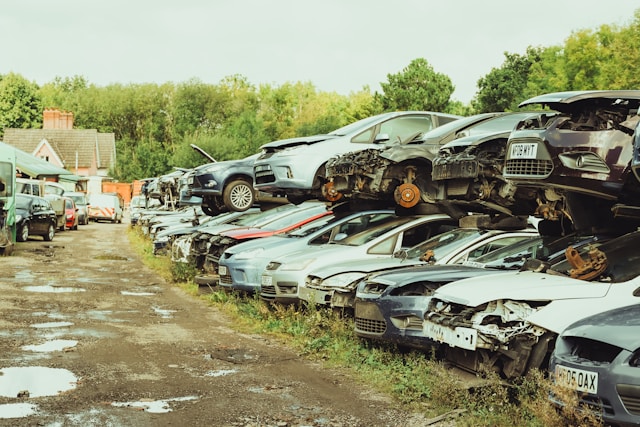
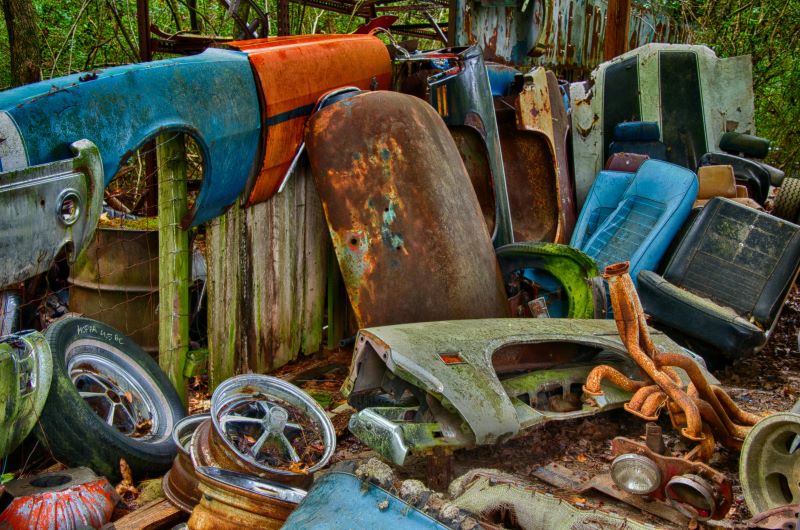
If you have scrap metal laying around on your property, you’re probably wondering how much cash you can get for it! Scrap yards will pay you for old metal, broken appliances and even spare car parts, but not all scrap is worth the same. So, what do scrap yards pay the most for? Keep reading this blog for our breakdown of scrap material prices. Let’s get started!
 [more]

Top-Paying Scrap Metals

The materials that will fetch you the best price for your scrap are non-ferrous metals, i.e. metals that do not contain significant amounts of iron, like copper, brass, aluminium and lead.


Copper

Copper is by far the most common and valuable scrap metal as its ability to conduct electricity and heat makes it essential for electrical wiring and plumbing. The most valuable kind of copper is bare bright copper which is clean, uncoated and unalloyed copper wire. Copper with corrosion, paint and solder can also be valuable, but fetches a lower price. The average scrap price for copper is around £2,600 – £3,600 per tonne.


Brass

Brass is a high-value metal alloy made from a mixture of copper and zinc. It is commonly found in plumbing fixtures, musical instruments, keys and doorknobs. Its high copper content and resistance to corrosion makes it sought after in the recycling industry, usually fetching around £2,000 to £3,000 per tonne.


Aluminium

Although aluminium is lightweight and therefore lower in value per pound, it is incredibly common, found everywhere from drinks cans to car doors, making it easy to collect in bulk. Clean aluminium that is free of screws, paint and insulation is worth the most, with most scrap yards offering around £400 to £800 per tonne.


Lead

Lead is a dense metal often found in car batteries, weights and shielding materials. It’s toxic so many scrap yards require you to follow special handling procedures when selling it. Thanks to its density, lead can be worth a fair amount, usually between £900 to £1,600 per tonne.


Factors That Can Increase Payouts

Cleanliness and Purity

The cleaner a metal is, the more efficient it is for recyclers to process. Removing contaminants like paint, rubber and plastic takes time and effort and so less corroded and contaminated metal is more valuable.


Quantity

Scrap yards often offer better prices for bulk quantities of metal because it’s more cost-effective for them. The larger the piece of scrap metal, the lower the processing costs and transportation expenses. This economy of scale allows scrap dealers to spread their fixed operating costs over more material, making bulk purchases of scrap metal more profitable and efficient for their operations.


Vehicle Parts

Specific car parts like catalytic converters, batteries, brake rotors and engines are also more high value items due to rarity and the high demand for repairs. Parts that are difficult to source new, like components for older models, can fetch far more at scrap yards as there is less competition and a dedicated market of mechanics and enthusiasts willing to pay more.

 *

So, if you’re looking to make the most out of your scrap, prioritise collecting clean, high-value metals like copper, brass, aluminium and lead that are free from contaminants.

Plus, scrapping isn’t just good for your wallet, it’s good for the planet! So, next time think twice before throwing your old metal scraps away, scrap yards like us at A&L will be more than happy to recycle your scrap and turn it into something new!

If you have any questions about our scrap metal prices or processes, please get in touch with us today and a member of our team will be happy to help!


Contact Us

Can You Recycle a Car?

Can You Recycle a Car?

You can recycle a car at an Authorised Treatment Facility. This is a good alternative to selling or abandoning your car.

Cars are actually one of the most recycled consumer products in the world! All you need to do is take your old car to an Authorised Treatment Facility. ATFs are legally approved for environmentally responsible deconstruction and recycling of end-of-life vehicles (ELVs). In other words, this is a good way to make sure your old car is properly recycled.

It's important to note that there may be some parts of your car that can't be recycled, but your ATF should handle this for you. If you're curious about how cars are recycled, read on! This blog will explore what parts of a car can be recycled, how cars are recycled, and why recycling your old car is beneficial for the environment. Let’s get started!

 [more]

What Parts of a Car Can Be Recycled?

Metal: The majority of a car’s weight is metal (often steel and aluminium) which is highly recyclable. Metals can be melted down and reused in new vehicles, appliances, and construction.

Glass: The windows and windshields of a car can be crushed and recycled into new glass products.

Plastics: The bumpers, dashboards and other plastic interior parts of a car can often be repurposed or recycled into new auto parts or other plastic items.

Batteries: The lead and plastic components from car batteries are also highly recyclable – although this must be done by a trained professional.

Fluids: Oil, transmission fluid, antifreeze and brake fluid can all be drained from the vehicle during scrapping. They are then either safely disposed of or re-fined and reused.

Tires: Car tyres can be shredded into crumb rubber and used in playgrounds, sports surfaces and asphalt.


How Are Cars Recycled?

1. De-pollution

Before the car can be safely dismantled, all harmful fluids like engine oil, transmission fluid, antifreeze, petrol and brake fluid must be drained from the car and safely disposed of or filtered and refined for reuse. The car battery should also be removed and sent to a specialist recycling facility.


2. Component Recovery

Once the fluids and hazardous components are removed, the car can be dismantled into its individual parts. Any usable parts, like engines, seats, electronics and mirrors can be salvaged for reuse or resale. Components like the dashboard, doors, windows, lights, airbags and tires can also be removed and either sold as second-hand or scrapped for materials.


3. Separation of Materials

All materials will then need to be sorted by type, with rubber, glass, plastic and different types of metals (ferrous and non-ferrous) all being recycled in to different industries.


4. Shredding

Once everything valuable and usable has been removed, the car can then be fed into a huge industrial shredder that breaks down the vehicle into smaller, more manageable pieces.


5. Melting

The separated metals can then be melted down and all impurities are removed. The refined metal can then either be sold to manufacturing companies or used in creating new products.


Environmental Benefits of Car Recycling

  • Fluids and batteries from cars can be toxic to the environment, so by recycling them safely and responsibly, you can help protect the environment from toxic chemical leaks.
  • Recycling and reusing the car’s materials helps to reduce the need for new raw materials and conserve natural resources.
  • Tires can take years to decompose in landfills, by recycling them you can reduce landfill waste and allow the materials to be repurposed.
  • Recycling your car can also reduce greenhouse gas emissions by reducing manufacturing demands.


So, do you have an old car laying around that could be recycled? Use our free no-obligation quote generator today and find out how much you can get for your old vehicle!

Get a Quote

If you have any questions about our car recycling process at A&L, don’t hesitate to get in touch with us and a member of our team will be happy to help!

how to register a car as scrapped

how to register a car as scrapped

Scrapping your car is surprisingly easy. If it has finally reached the end of its journey, all you need to do is contact a local scrap car dealer to take care of it. The trickiest part is remembering to register your car as scrapped, which needs to be done through the DVLA.

As an ATF, we have plenty of experience with the process of scrapping a car. To save you the headache, we’ve simplified the scrap registration process for you here. Just follow our guide and DVLA instructions - your car will be registered as scrapped before you know it!
 [more]

Before you register your car as scrapped

If you have a private registration number, or your registration is important to you, you should apply to keep it before you scrap your car. You can transfer it to another vehicle (provided that vehicle is eligible) or apply to place it onto a retention document for later use.

Next, make sure that your car isn’t a write-off. Write-offs have a different process. Only continue with this guide if your car isn’t a write-off, and you’ve just decided to scrap it.

Once you’ve made these checks, you are ready to send your vehicle to a scrapyard and register it as scrapped.


Do you need to register your car as scrapped if it’s already SORN?

If you are scrapping a car that is already registered as SORN, then you still need to inform the DVLA once it is scrapped with an ATF.

For example: if you took your vehicle off-road to remove a few key components, and then scrapped the rest with an ATF, then register the car as scrapped.


How to register a car as scrapped online

Notifying the DVLA that your car has been scrapped can be done online if you have the 11-digit reference number from your logbook. You’ll also have to provide the name of the scrapyard that you sent your car to.

The process is easy – just fill in the DVLA’s online form with information about your scrapped vehicle.

Once this is done, the DVLA will send you a confirmation by post, and optionally by email. You may also receive a refund cheque for any full months of vehicle tax you have left.

Register your car as scrapped here.


How to register a car as scrapped by post

Having trouble with the online form? Registering by post may be a good option for you.

If you’ve scrapped your vehicle, then you may have already given the logbook to your ATF, but you should have kept the yellow part. This is the part that you need. Using the yellow “sell, transfer or part-exchange your vehicle to the motor trade” part of your logbook, you can register your car as scrapped by post.

A scrapyard or insurance company will fill in this yellow section of your logbook for you when you scrap your car. Once it is filled in, send the perforated section to the DVLA’s address in Swansea, listed below:

DVLA
Swansea
SA99 1BD


How to register a car as scrapped without a logbook

If you’ve lost your logbook, don’t panic. You can still register your car as scrapped. You will need to send a letter to the DVLA’s address (listed above) with the following information:

  • Your name
  • Your address
  • The scrapped car’s registration number
  • The scrapped car’s make and model
  • The exact date you sold your car
  • The name and address of the scrapyard or insurance company.

For example, A&L’s address is: Unit 14e, Atlantic Trading Estate, Barry, South Wales, CF63 3RF.


When should you register your car as scrapped?

You should complete the registration process as soon as possible. You can be fined £1,000 if you do not properly notify the DVLA that your car has been scrapped.

The DVLA has lots of useful information about scrapping your car, which you can find here.


Scrap your car with A&L

If you’re still unsure about the process of scrapping and registering your car, you can always contact A&L Vehicle Recycling. We offer a hassle-free service and can walk you through anything that you don’t understand.

Get in Touch

How to Scrap a Car When Someone Dies

How to Scrap a Car When Someone Dies

The logistical tasks that follow losing a loved one can be overwhelming. Among the many responsibilities is dealing with the deceased’s belongings, including their car.  If the vehicle is no longer needed or isn’t in working condition, scrapping it may be the best solution.

This blog will walk you through the process of scrapping a car after someone has passed away so that it can be handled legally, efficiently and respectfully.
[more]


1. Decide If Scrapping Is the Right Choice

Scrapping a car tends to be the best decision when the vehicle is:

  • No longer road worthy
  • Expensive to repair
  • No longer needed by any heirs

If the car still has value or sentimental importance, consider selling or transferring the ownership instead.


2. Gather the Vehicle Documents

Here’s what you will need to show the scrap dealer

  • Photo ID of the car’s owner
  • The V5C signed by the owner
  • Proof of address of the owner
  • A copy of the death certificate
  • Proof of your identity


3. Find an Authorised Treatment Facility

You will then need to find an Authorised Treatment Facility (ATF) that will take the car for scrap – like us at A&L!


4. Notify the DVLA

To avoid future taxes, tickets or liabilities in the deceased’s name, you must inform the DVLA that the vehicle has been scrapped.


5. Cancel Insurance and Clear Outstanding Fees

If the vehicle was insured, you will need to contact the insurer to cancel the policy and provide a copy of the death certificate and documentation to show you’ve scrapped the car. You will also need to ensure that any outstanding taxes or fees are settled and that the estate is reimbursed or updated accordingly.


Scrapping a car after someone dies can feel like a stressful and daunting task, but it doesn’t have to be. By gathering the right documents and working with reputable professionals (like us at A&L!), you can handle this step with confidence.

If you want to know how much you can get for your scrap vehicle, use our free no-obligation quote generator today by clicking the button below. Simply enter your reg number and your postcode to get an instant quote.

Get a Quote

Which Parts Get Recycled When a Car Is Scrapped?

Which Parts Get Recycled When a Car Is Scrapped?

When a car comes to the end of its life, it’s often sent to a recycling facility or scrapyard to be dismantled and repurposed. However, this is not just a matter of splitting the car into bits and sending them to landfill; a surprising amount of your car’s components can actually be salvaged, reused and turned into new products and materials.

Here’s a breakdown of which car parts get recycled when a car is scrapped…
[more] 

Metals

Around 75% if a typical car’s weight consists of metals like steel and aluminium, which are both highly recyclable. Steel can be melted down and turned into new steel products, like building materials and new cars. Like steel, aluminium can be endlessly recycled into new products without losing its quality. Copper can also be found in car wiring and electronic systems and when recycled can be incredibly useful for plumbing, construction and electrical systems.


Fluids

Engine oil, brake fluid, coolant and any other fluids found in the scrap car will be drained and either recycled or disposed of according to environmental regulations. For example, motor oil can be cleaned and refined to create new oil and antifreeze can be filtered and cleaned, making it reusable for future vehicles.

This process of recycling and reusing car fluids is essential for saving resources, reducing chemical waste and lowering the energy consumption associated with oil production.


Batteries

When it comes to recycling batteries, things get slightly more complicated. Traditional lead-acid batteries are relatively easy to recycle, the lead and acid can be extracted, purified and reused to create new batteries. Lithium-ion batteries, on the other hand, are more difficult to recycle but it is possible to extract the valuable metals (like lithium, cobalt and nickel) and repurpose them into the creation of new batteries or electronics.


Tires

Rubber from tires is typically recycled into road asphalt, playground surfaces, mats and sometimes even new tires. It is essential that tires are disposed of safely as they are made from materials that don’t break down easily, so when dumped illegally in landfills or outdoor areas, they can pose a significant risk to the environment.


Plastics

There is a lot of plastic in cars, from the dashboard to the seat coverings to the bumper, and luckily many of these automotive plastics can be salvaged and repurposed into new plastic products. Even the polyurethane foam found in car seats, armrests and headrests can be processed and reused to make new foam products.


Glass

Although the windshields and windows in cars are often made from laminated glass (a mix of two layers with a plastic layer in between), the glass can be separated and cleaned to be reused in other glass products.


By recycling your car with an authorised treatment facility, you can not only help the environment but also help to support the circular economy and contribute to a more sustainable future.

If you want to know how much you can get for your vehicle, use our free no-obligation quote generator today by clicking the button below. Simply enter your reg number and your postcode to get an instant quote.

Get a Quote