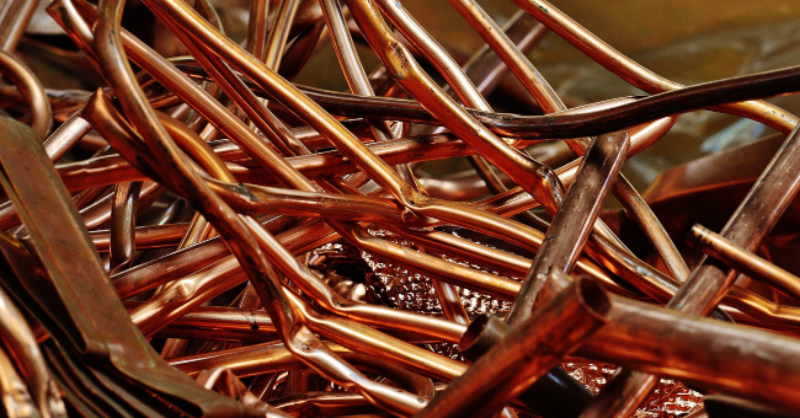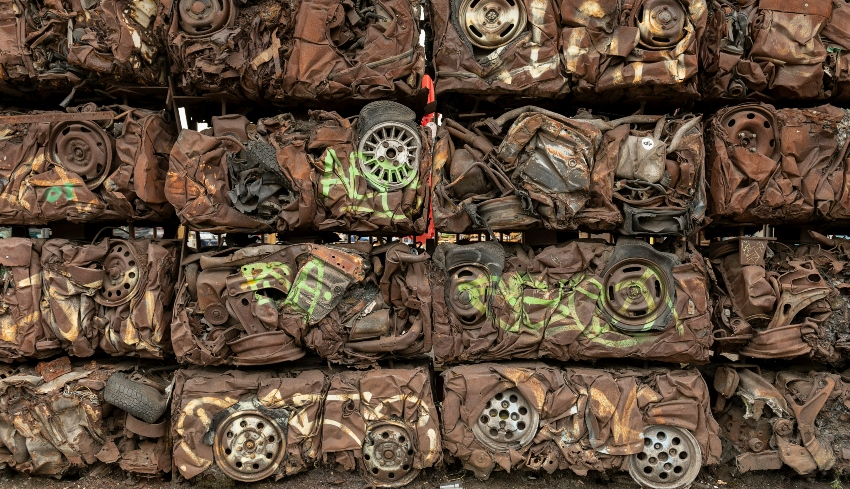
Scrap metal recycling plays a crucial role in mitigating pollution, conserving resources, minimising landfill waste, and safeguarding habitats from the impacts of mining. By recycling metals, we can actively preserve natural resources, diminish greenhouse gas emissions, and minimise energy consumption compared to the extraction and processing of virgin ore.
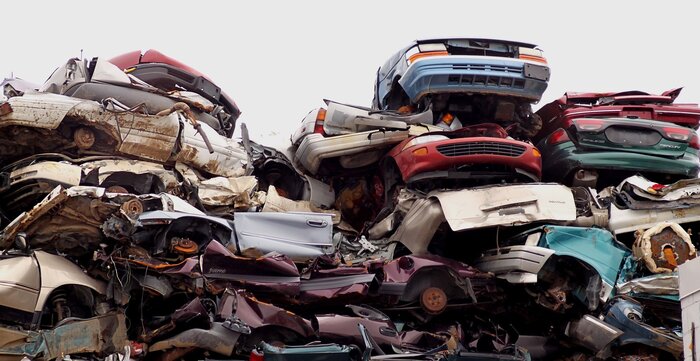
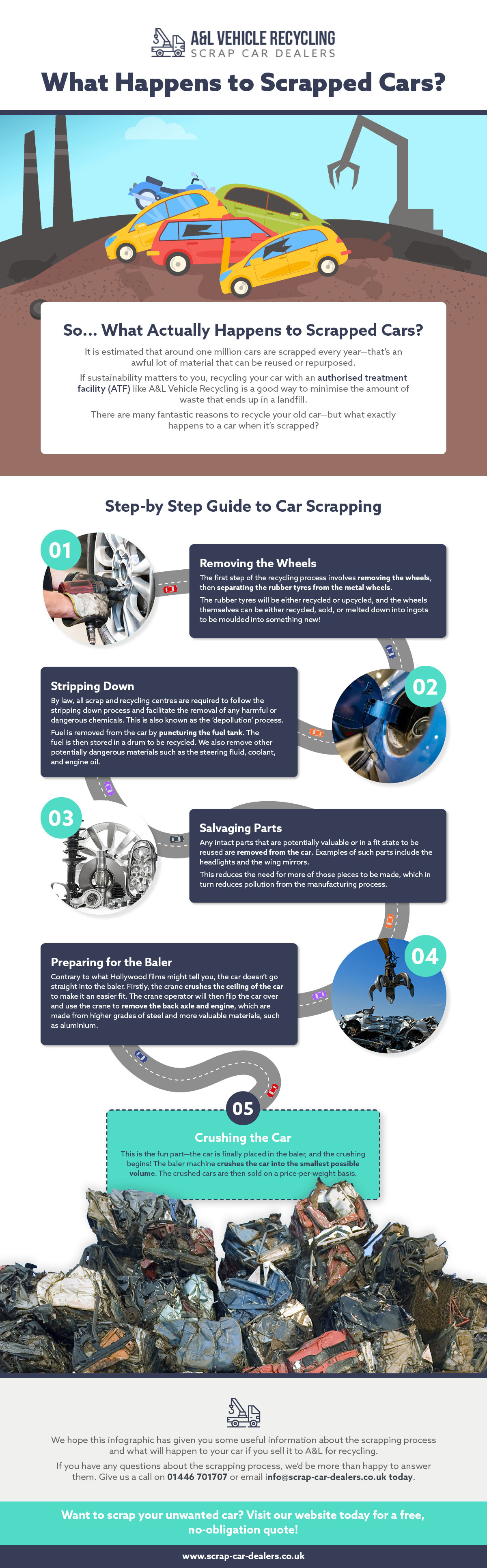
Scrapping a car can feel like a pretty big decision to make. Making the call that your vehicle is at the end of its lifespan and is no longer worth running is not a choice that is usually made lightly.
If you’re considering scrapping your car but are still on the fence about whether or not it’s the right action for you, we’ve put together this blog to help you make your decision.
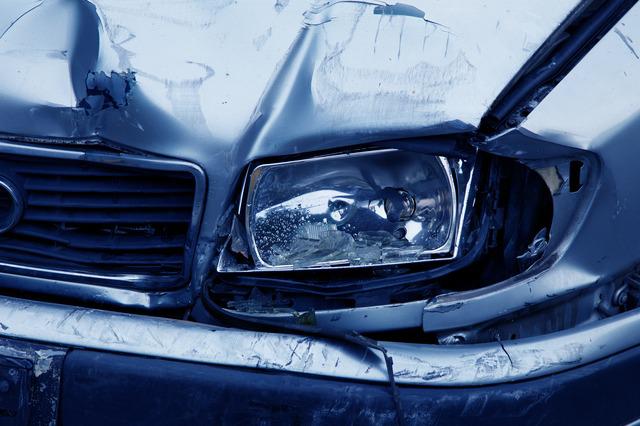
It's always a sad day when your car breaks down, but hey - nothing lasts forever. You could pay a mechanic to repair your car and get it back on the road for a little while longer, but if your car has reached a certain age, it sometimes makes better financial sense to simply sell your car and invest in a new one.
However, you may find that many traditional car dealerships are unwilling to buy a car that isn't fully functional. Some won't even offer part exchange on it. If this happens to you, you may find yourself wondering...
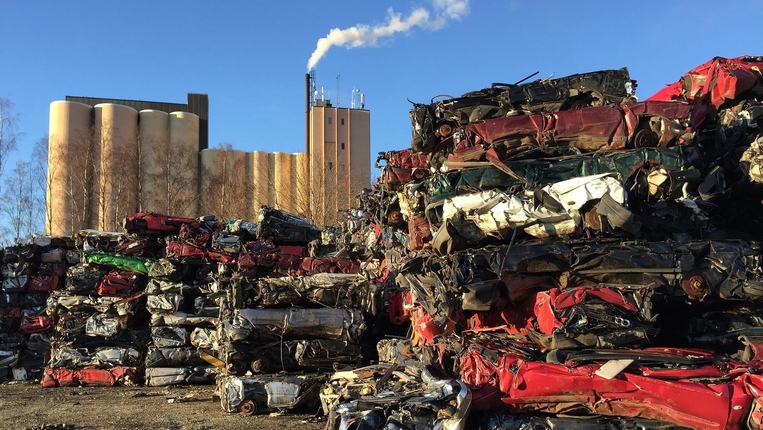
Scrapping your car might seem like a pretty straightforward process, but there are actually a number of steps you have to take before selling your car to an authorised treatment facility (ATF).
One of the most commonly-asked questions is whether or not you have to inform the Driver and Vehicle Licensing Agency (DVLA) when you make the decision to scrap your car.