A&L Scrap Car Dealers
Call us for a free no obligation quote today on: 01446 701707
call us today on 01446 701707


Tag: car-lifespan

how quickly do cars depreciate

how quickly do cars depreciate

The value of your car depreciates every year. In fact, it’s often said that a car depreciates in value the moment you drive it away from the dealership. If you drive your car a lot, or if it becomes damaged, you can expect it to depreciate in value pretty quickly.
[more]


What is Car Depreciation?

If you’re wondering how quickly cars depreciate, you first need to understand what depreciation is.

Car depreciation is when the value of your car goes down from the original price it was purchased at. Most cars lose value over time, resulting in a big difference between the price you paid for the car and the price you could sell the car for.

People usually consider depreciation by looking at the depreciation rate. This indicates how quickly the car is depreciating over time.


How Quickly Do Cars Depreciate?

According to Auto Express, you should generally expect a UK car to depreciate by around 15% each year over a period of 20 years. The rate of depreciation changes over time, with the first twelve months of car ownership usually showing the highest rate of depreciation.

However, even a new car will depreciate if you drive it a lot. You can always expect the value of your car to go down if it’s particularly worn or damaged.

Depreciation is usually most relevant when you are looking to sell your car. This is because a "used" or "second-hand" car is almost always sold at a lower price point than a brand new car. However, there are some situations where this won't be the case.

Some cars are in high-demand and won’t depreciate as quickly. Very rare cars may even go up in value over time! For most cars, though, the age is the biggest factor when it comes to how quickly the car will depreciate.


How Old is My Car?

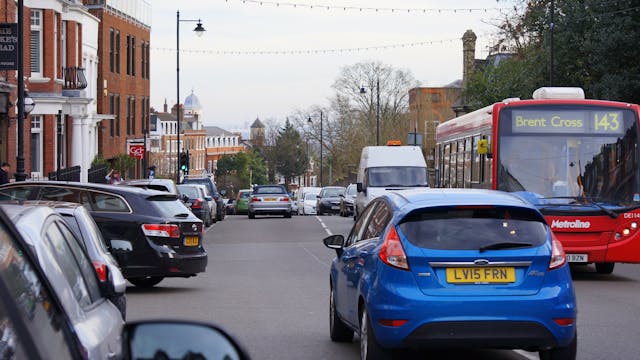
If you bought your car second-hand, you might not know how old it is. The easiest way to check is by reading your car’s original number plate. With a current style UK number plate, the third and fourth characters of your registration will indicate the year that the car was first registered.

The second two characters on your registration will often be the last two numbers of the year it was registered. For example, if your registration says 18, then it was registered in 2018.

There are two ways these date indicators will appear on a current style plate, so if your registration doesn’t have an obvious year on it, use the following rules instead:

  • A car registered in the 2000s will have a 5 as the third character
  • A car registered in the 2010s will have 6 as the third character
  • A car registered in the 2020s will have a 7 as the third character.

Put simply, find the number, and take away 50! Your plate may say 68 instead of 18 — but it was still registered in 2018.

With how quickly cars depreciate, many cars from 2018 have already depreciated in value by now. So, what can you do with them?


Can’t Sell? Scrap!

If your car has depreciated so much that it is no longer worth selling, you might want to consider scrapping it. This is particularly relevant if your car is damaged. Some old cars can’t be fixed because replacement parts are difficult or impossible to find.

You can get money for scrapping your car, without the hassle of trying to sell a car that has already greatly depreciated in value.

Get a free quote on the value of your car instantly! Click the button below to visit our homepage and use our checker tool.

Scrap Value Checker

LEARN MORE: How Does Mileage Affect a Car?

how does mileage affect a car

how does mileage affect a car

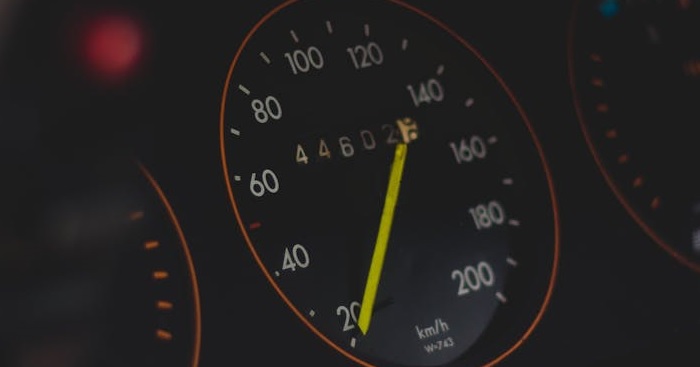
The more miles on the clock, the lower the car’s value. But why?

Read on to find out how mileage affects your car.
[more]


Reliability

Mileage is a measure of how much your car has been used. While today’s cars are considerably more durable than their forebears, no component is invincible—and the more a car is used, the faster its components will wear out.

The most visible example of this is the tread on the tyres smoothing out. But inside the vehicle, other parts will also deteriorate over time. Brake pads wear down, parts of the suspension system may start to fail, and engine problems such as oil leaks become more likely as the milometer ticks higher.


Cost of maintenance

Because of the wear and tear that each mile exerts on them, your car’s components will need to be maintained and eventually replaced.

Early on in the vehicle’s lifespan, costs may be limited to routine maintenance like tyre replacements. But as the mileage climbs higher, regular car services become more crucial to make sure the car is in good—and safe—working order.

The need for repairs and complete replacements increases with mileage. The cost of each repair can also rise as time marches on and the car’s more complex systems like the engine and gearbox start to break down.


Overall condition

The general condition of your car will also deteriorate the more you use it. The vehicle’s exterior may lose some of its lustre and pick up dents and scratches from small pieces of debris on the road, while the interior will fade and show visible wear due to the friction of bodies and feet against the seats and floor.


Value

Unsurprisingly, all of these factors combine to mean that the further your car has travelled, the less it is worth. As mileage goes up and maintenance becomes more costly and complicated, the car’s resale value decreases.

While different makes and models depreciate at different rates, a car with a lot of miles on the clock will generally be worth significantly less than a car of the same model with a lower mileage (all other factors being equal).

A simple way to calculate your car's rough loss of value is to use 20,000-mile increments; so for every 20,000 miles your car travels, it loses around 20% of its value. So, if you bought a new car for £20,000, after 20,000 miles it will be worth around £16,000, after 40,000 miles it will be worth around £12,800 and so on.


How many miles can a car last?

The good news is that cars are lasting longer than ever. This is largely thanks to improvements in design, durability and safety features.

There was a time when your average car might have been expected to last no more than 150,000 miles (approximately 8 years), but that number is now in the range of 200,000 miles!

This correlates with 2021 data showing that scrapped cars have an average age of 16 years.

Scrapping your car when it comes to the end of its lifespan is a practically effortless way to get rid of your old vehicle AND get paid for it, without the time and hassle of dealing with the resale market.

If your car has racked up a fair old mileage and you suspect that it’s now coming to the end of its life, why not sell it for scrap?

Scrap Your Car: Get a Quote Now!

Image source: pexels.com

average lifespan of a car uk

average lifespan of a car uk


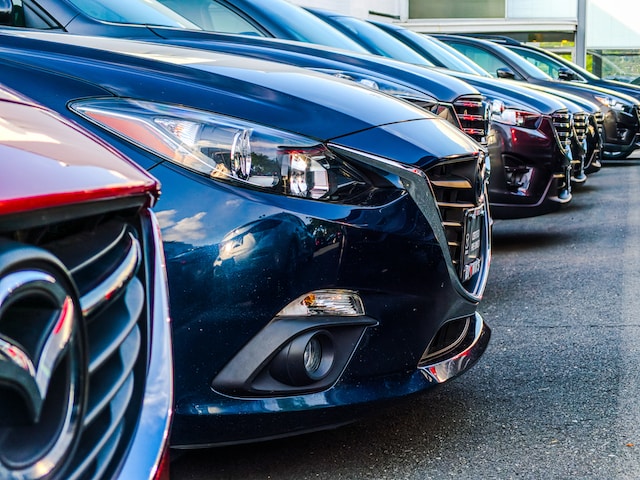
Research has found that the average lifespan of a car in the UK is the longest it’s ever been, averaging at around 10 years old. Read on to find out why cars are lasting longer before they get scrapped.


[more]


What's the average age of a scrapped car in the UK?

As of 2025, the average age of a scrapped car in the UK is between 16 and 20 years old! For comparison, in the year 2009, the average car was only 13 years old when it went to the scrap yard.

There are a number of reasons why cars are lasting so much longer than they used to. Let’s have a look at some of the biggest contributors.

According to an article published in 2021, new car sales decreased significantly during the coronavirus pandemic. This resulted in fewer people trading in their old cars for a newer model, and so the average age of cars on the road increased. This also meant fewer cars were being scrapped.

Even without the impact of the pandemic, the lifespan of a car has been steadily increasing for years. This is because cars are designed to be more durable than ever. There are also improved safety features, better quality parts and nifty electrical features that help us better care for our cars.

Gone are the days when a standard car would last around 8 years or 150,000 miles. Nowadays, you can expect a car to last you upwards of 200,000 miles – perhaps more depending on the make and model of the car and how well you take care of it. As a result, motorists are waiting a lot longer before scrapping their cars due to old age / high mileage.


Why do cars get scrapped?

The average lifespan of a car in the UK before it gets scrapped depends on a number of factors. Here are some of the most common:

Your car is written off

If your car is so badly damaged that the repair costs would exceed its total value, you can declare it a write-off and send it to the scrap yard. A car crash can happen to anyone, regardless of how new their vehicle is. Loads of new cars are written off every day. So, you’ll still see plenty of newer cars in scrap yards because of this.

Your car has lost its value

A car’s value will depreciate over time. If you’ve owned your car for a long time, chances are it’s worth a fraction of the price you paid for it. Alternatively, your car might not be that old, but if you bought a ‘trendy’ car that is no longer trendy, that might be another reason why it has lost its value. In this instance it would be much easier to scrap your car in exchange for money than to go through the process of selling it on.

You want to get rid of your car quickly

Selling your car can be time-consuming. Scrapping it takes almost no time at all! This can come in particularly handy if you need to get rid of your car very quickly. You can scrap your car anytime, regardless of how old it is.


Scrap your car with A&L

Here at A&L Vehicle Recycling, we can make sure your car scrapping experience runs as smoothly as possible. Scrap your car with us today in just 4 simple steps!

Step 1: Enter your registration and postcode.

Step 2: Receive a quote straight away.

Step 3: Review and accept our quote.

Step 4: Arrange collection and get paid!

Get in touch with us today for more information or click the button below to get an instant quote for your old car.

Scrap My Car