
A&L Scrap Car Dealers
Call us for a free no obligation quote today on: 01446 701707
call us today on 01446 701707

Archive

V5C log book

Yes, you can scrap your car without a V5C log book as long as you can prove you are the vehicle's rightful owner. Get an instant scrap car quote for free >>
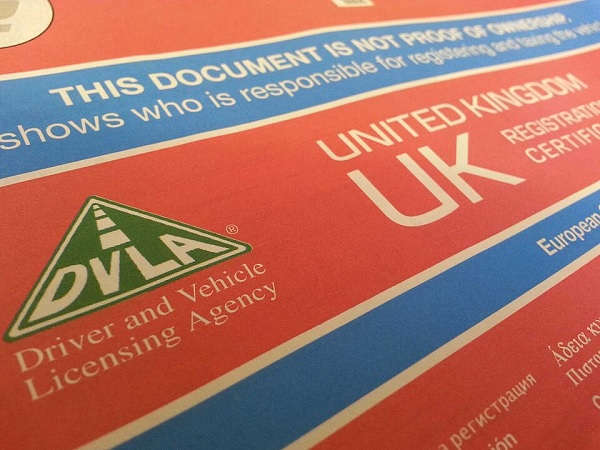
V5C log book

If you're thinking about scrapping your vehicle but can't find your V5C log book (sometimes called the V5 for short), you're not alone. One question we get asked a lot is: Can I scrap a car without a V5?

The simple answer is yes. In most cases, you can legally scrap a vehicle without a V5C log book, as long as you can prove that you're the rightful owner of the vehicle.

Many people assume that losing their V5 means they can't dispose of their car, but that's a common misconception. Vehicles are scrapped every day without a V5, and authorised treatment facilities (ATFs) have procedures in place to help owners complete the process legally even with no log book.

A&L Vehicle Recycling is an ATF in Barry, South Wales. We've been scrapping cars for well over a decade, so we know the process inside out. In this guide, we'll explain everything you need to know about scrapping a car without a V5, what documentation you may need instead, and the steps you should take to ensure your vehicle is disposed of correctly.

IMPORTANT: If you want to scrap your car, be sure to seek out a reputable, licensed scrap dealer. This becomes especially critical if you don't have a V5. Be cautious of dealers who offer cash payments for your vehicle, avoid discussing DVLA requirements, or can't provide proof that they're an authorised treatment facility. A legitimate operator will be familiar with the documentation that's required to scrap a vehicle with no V5C log book.


Skip to...

  1. What is a V5C log book?
  2. Do lots of people lose their V5?
  3. Is it legal to scrap a car without the V5?
  4. What documents can I use instead of my V5?
  5. Can I request a new V5C log book?
  6. Will scrap dealers pay more for my car if I have the V5?
  7. What if the vehicle isn't registered in my name?


What is a V5C log book?

The V5C registration certificate, also known as the vehicle log book and often called the V5 for short, is a document issued by the DVLA. It records details about a vehicle and that vehicle's registered keeper.

The V5 includes information such as:

  • Vehicle registration number
  • Vehicle make and model
  • Engine size
  • Vehicle identification number (VIN)
  • Registered keeper details

The main purpose of the V5 is to identify the person responsible for registering and taxing the vehicle in question. Many people believe that they cannot scrap a car if they've lost the log book, but it's still possible to prove ownership of your vehicle even if the V5C document has gone missing.


Do lots of people lose their V5?

Yes, this is quite a common situation – so don't feel too bad if it's happened to you. We at A&L frequently deal with motorists who have misplaced their V5C log books, and this rarely prevents them from scrapping their vehicles with us.

Here are some of the most common reasons for log books going missing:

  • The vehicle is very old and the owner has lost track of the original paperwork.
  • The V5C log book was lost during a house move.
  • The document was accidentally damaged, destroyed or thrown away.
  • The vehicle has been off the road for a long period.
  • The owner inherited the vehicle and never received the documentation in the first place.


Yes, it is perfectly legal to scrap a car without a V5.

The DVLA does not require a V5C registration certificate as an absolute condition for scrapping a vehicle. Having the document to hand can make the process simpler, but a missing V5 needn't prevent your vehicle from being recycled. Authorised treatment facilities can usually accept vehicles without a V5 as long as they are satisfied that the person presenting the vehicle is entitled to do so.


What documents can I use instead of my V5?

If you no longer have your V5C log book, you will likely need to present some other form of documentation to help establish your identity and connection to the vehicle.

Requirements vary from one car breaker to the next, but commonly accepted documents include:

  • Photographic ID like a driving licence, passport or voter authority certificate
  • Proof of address like a utility bill, bank statement or council tax letter
  • Evidence of vehicle ownership like insurance documentation, service records, past MOT certificates or a receipt of purchase

We strongly recommend contacting your scrap car dealer before arranging collection, just to check what documents they will need to see. If you're planning to scrap your car with A&L, you can contact us here.


Can I request a new V5C log book?

Yes you can, and in some situations, applying for a replacement V5C may be worthwhile.

For example, you may want to request a new V5 if:

  • The vehicle still has significant value outside the scrap market
  • You plan to sell the vehicle to a new owner (instead of scrapping it)
  • You need to update your ownership details

However, if your vehicle has reached the end of its life and you want to get rid of it right away, waiting for a replacement log book will just delay the process unnecessarily.

Many vehicle owners choose to proceed directly with scrapping rather than waiting for replacement documentation to arrive.


Will scrap dealers pay more for my car if I have the V5?

Generally speaking, no – the presence or absence of a V5C log book is unlikely to have a significant impact on the scrap value of your vehicle.

The value of a scrap car is primarily based on:

  • What condition the vehicle is in
  • Current scrap metal prices
  • Demand for reusable parts
  • The vehicle's weight

(Location can also be a factor; scrap car dealers may pay less if they have to travel a long distance to collect the vehicle.)

Losing your V5 doesn't really affect any of these things, so most scrap dealers won't factor this into their quote.

See our scrap car price guide for more information on how our scrap car quotes are calculated.


What if the vehicle isn't registered in my name?

This can complicate matters. If your vehicle is registered to someone else, additional checks and supporting documentation may be required before a scrap car dealer will accept it.

We recommend contacting your authorised treatment facility to discuss the circumstances and find out what it will take for them to feel confident that you have the legal right to scrap the vehicle in question. For more information on this topic, see Can You Scrap a Car That's Not in Your Name?


So, can you scrap a car without a V5? The answer is almost always yes. While having a V5C log book tends to make the process slightly simpler, it is not an absolute requirement for scrapping a vehicle. Authorised treatment facilities are used to dealing with missing paperwork and will (in most cases) be able to help you complete the process legally and efficiently.
Scrap Your Car with A&L


Useful links

do i need to SORN my car before I scrap it?

If you own a vehicle that you no longer use on public roads, you may need to make a Statutory Off Road Notification, more commonly known as a SORN.

Many vehicle owners ask questions such as:

  • How do I SORN a vehicle?
  • What does SORN mean?
  • Can I keep a SORN vehicle on my driveway?
  • Do I still need insurance?
  • What happens if I eventually want to scrap the vehicle?

The good news is that applying for a SORN is usually a straightforward process. However, there are several important rules you should understand to avoid fines or penalties from the DVLA.

do i need to SORN my car before I scrap it?

In this guide, we'll explain what a SORN is, when you need one, how to apply, what restrictions apply to SORN vehicles and what options are available if your vehicle is unlikely to return to the road.

What Does SORN Mean?

SORN stands for Statutory Off Road Notification.

It is a formal declaration made to the DVLA informing them that a vehicle is not being used or kept on a public road.

Once a vehicle has been declared SORN, it is exempt from vehicle tax requirements while it remains off the road.

A SORN is commonly used for:

  • Classic cars stored over winter
  • Vehicles undergoing restoration
  • Damaged vehicles awaiting repair
  • Cars that have failed an MOT
  • Vehicles awaiting sale
  • Vehicles nearing the end of their life

The key point is that a SORN vehicle must not be driven or parked on a public road unless travelling to a pre-booked MOT appointment or another permitted exception.

When Do You Need to SORN a Vehicle?

You should make a SORN if your vehicle is not taxed and is being kept off public roads.

Common situations include:

The Vehicle Has Failed Its MOT

Many owners declare a vehicle SORN after a major MOT failure while deciding whether to repair it or dispose of it.

The Vehicle Is Being Restored

Classic car enthusiasts often SORN vehicles while carrying out restoration work.

The Vehicle Is Not Currently Being Used

If a vehicle will not be driven for an extended period, declaring it off-road may be appropriate.

The Vehicle Is Awaiting Disposal

Some owners place a vehicle on SORN while deciding whether to sell it, repair it or ultimately scrap a vehicle.

How Do I Apply for a SORN?

Applying for a SORN is generally straightforward.

The DVLA provides several methods for making a Statutory Off Road Notification.

You will normally need:

  • Vehicle registration number
  • V5C logbook reference number (if available)
  • Personal details associated with the vehicle

The application can typically be completed online, by phone or by post depending on your circumstances.

Most applications are processed quickly, particularly when completed online.

Does a SORN Start Immediately?

In many cases, yes.

If the vehicle is already untaxed, the SORN can usually take effect immediately.

However, if the vehicle is currently taxed, the effective date may vary depending on when the application is submitted and the vehicle's taxation status.

Always check the confirmation received from the DVLA to ensure the correct date has been recorded.

Where Can I Keep a SORN Vehicle?

A SORN vehicle must be kept off public roads.

Acceptable locations include:

  • Private driveways
  • Garages
  • Private land
  • Secure storage compounds
  • Commercial premises

A SORN vehicle cannot normally be parked on:

  • Public roads
  • Public car parks
  • Roadside parking bays

Even if the vehicle is not being driven, keeping it on a public road while under SORN could result in enforcement action.

Do I Need Insurance on a SORN Vehicle?

This is one of the most common questions vehicle owners ask.

While a SORN vehicle is not being used on public roads, insurance requirements may differ from those for taxed vehicles.

However, many owners still choose to insure SORN vehicles because they can remain vulnerable to:

  • Theft
  • Fire
  • Vandalism
  • Storm damage
  • Accidental damage

This is particularly important for classic cars, restoration projects and vehicles stored for extended periods.

Always check your insurer's policy terms before cancelling cover.

Do I Need an MOT on a SORN Vehicle?

A SORN vehicle does not require a valid MOT certificate while it remains off the road.

However, if you intend to return the vehicle to normal use, it must usually meet the legal requirements relating to:

  • Vehicle tax
  • MOT testing
  • Insurance

Many owners use a SORN period to decide whether repairs are worthwhile before committing further money to an ageing vehicle.

Can I Drive a SORN Vehicle?

Generally, no.

A SORN vehicle should not be driven on public roads.

There are limited exceptions, such as travelling to a pre-booked MOT test, but these situations are subject to specific rules.

Driving a SORN vehicle without meeting legal requirements can result in:

  • Fines
  • Penalty notices
  • Vehicle seizure
  • Insurance complications

If you are uncertain whether a journey is permitted, seek guidance before driving the vehicle.

How Long Does a SORN Last?

A SORN remains in force until one of the following occurs:

  • The vehicle is taxed again.
  • The vehicle is sold.
  • The vehicle is permanently exported.
  • The vehicle is scrapped.

Unlike older systems, a SORN does not generally need to be renewed annually.

However, you should always keep your records up to date and notify the DVLA of any relevant changes.

Can I Sell a SORN Vehicle?

Yes.

A vehicle can be sold while it is under SORN.

When ownership changes:

  • The SORN does not transfer to the new owner.
  • The new owner becomes responsible for the vehicle.
  • The new owner must arrange tax and insurance if they intend to use the vehicle on public roads.

Many vehicles sold as restoration projects are transferred while under SORN.

What If My SORN Vehicle Has Failed Its MOT?

This is a common scenario.

Owners often face a decision between:

  • Repairing the vehicle
  • Selling the vehicle
  • Breaking the vehicle for parts
  • Scrapping the vehicle

The right option depends on factors such as:

  • Repair costs
  • Vehicle value
  • Age
  • Mechanical condition
  • Market demand

If the cost of repairs exceeds the vehicle's value, scrapping may become the most practical solution.

Can I Scrap a SORN Vehicle?

Yes.

A vehicle does not need to be taxed or roadworthy to be scrapped.

In fact, many scrap vehicles have been on SORN for months or even years before disposal.

Common examples include:

  • MOT failures
  • Accident-damaged cars
  • Non-runners
  • Abandoned projects
  • Vehicles with major mechanical faults

When the time comes to dispose of the vehicle, collection can usually be arranged from your home or storage location.

Our guide to scrap car collection explains how vehicles are collected and transported for recycling.

Will a SORN Vehicle Still Have Scrap Value?

In many cases, yes.

Even vehicles that have been off the road for years may retain value because of:

  • Metal content
  • Reusable components
  • Engine parts
  • Catalytic converters
  • Wheels and tyres

The value of a vehicle depends on a variety of factors including:

  • Weight
  • Condition
  • Make and model
  • Current market conditions

If you want to understand how valuations are calculated, our guide to scrap car prices explains the factors that influence scrap vehicle values.

What Happens When a SORN Vehicle Is Scrapped?

When a SORN vehicle reaches the end of its life, it should be processed through an Authorised Treatment Facility (ATF).

The vehicle will typically undergo:

Depollution

Removal of:

  • Fuel
  • Oil
  • Coolant
  • Batteries
  • Brake fluid

Parts Recovery

Reusable components may be removed for resale.

Recycling

The remaining vehicle shell is processed and recycled.

Depending on the circumstances, you may receive confirmation that the vehicle has entered the authorised disposal process.

You can learn more about this in our guide explaining what is a Certificate of Destruction.

Common Mistakes When SORNing a Vehicle

Many vehicle owners make simple mistakes that can lead to unnecessary problems.

Leaving the Vehicle on a Public Road

This is one of the most common errors and can result in enforcement action.

Assuming Insurance Is Not Required

While insurance may not be legally required in every situation, cancelling cover without considering the risks can be costly.

Forgetting About the Vehicle

Some vehicles remain on SORN for years before owners realise they have become uneconomical to repair.

Failing to Consider Disposal Options

If a vehicle is unlikely to return to the road, scrapping it may be more practical than continuing to store it indefinitely.

Frequently Asked Questions

What does SORN stand for?

SORN stands for Statutory Off Road Notification.

Can I park a SORN vehicle on the road?

No. A SORN vehicle must normally be kept on private land and not on a public road.

Do I need insurance on a SORN vehicle?

Not necessarily in every circumstance, but many owners choose to maintain insurance protection against theft, fire and accidental damage.

Can I sell a SORN vehicle?

Yes. The SORN does not transfer to the new owner.

Can I scrap a vehicle that is on SORN?

Yes. Many vehicles that are eventually scrapped have been under SORN before collection and recycling.

Conclusion

Making a Statutory Off Road Notification is an important step if your vehicle is not being used on public roads. Whether you are storing a classic car, dealing with an MOT failure or deciding what to do with an ageing vehicle, understanding the SORN process can help you stay compliant with DVLA requirements and avoid unnecessary penalties.

If your vehicle is unlikely to return to the road, it may eventually become more economical to dispose of it through an authorised recycling process. Understanding your options early can help you make the right decision and avoid ongoing storage, insurance and maintenance costs.

Scrapping a car is usually a straightforward process, but many vehicle owners make avoidable mistakes that can cost them time, money and unnecessary stress. Whether your vehicle has failed its MOT, become too expensive to repair or simply reached the end of its life, understanding the process before arranging collection can help ensure everything goes smoothly.

Many people focus solely on getting the highest quote, but there are several other factors that should be considered. Failing to notify the DVLA correctly, using an unlicensed operator or forgetting important paperwork can all create problems later.

In this guide, we'll look at the most common mistakes people make when scrapping their vehicle and explain how to avoid them.

Mistake 1: Not Understanding the Scrapping Process

One of the biggest mistakes people make is arranging disposal without understanding what actually happens when a vehicle is scrapped.

Many owners are unsure about:

  • DVLA requirements
  • Vehicle ownership responsibilities
  • Collection procedures
  • Payment regulations
  • Recycling processes

Taking a few minutes to understand the process can help avoid confusion and ensure everything is completed correctly.

If you're unfamiliar with the steps involved in scrapping a car, it's worth reading a complete guide before making any decisions.

Mistake 2: Choosing the First Quote You Receive

When a vehicle reaches the end of its life, many owners simply accept the first offer they receive.

While this may be convenient, it isn't always the best approach.

Scrap vehicle values can vary depending on:

  • Current metal prices
  • Vehicle weight
  • Demand for parts
  • Collection costs
  • Vehicle condition

Obtaining multiple quotations allows you to compare offers and understand the true market value of your vehicle.

That doesn't necessarily mean choosing the highest offer. Reliability, professionalism and compliance should also be considered.

Mistake 3: Focusing Only on Price

A slightly higher offer can sometimes hide a poor service experience.

For example:

  • Delayed collections
  • Hidden charges
  • Poor communication
  • Unclear paperwork
  • Collection complications

A reputable company should provide a transparent quotation and explain exactly what is included.

If you're researching how values are calculated, our guide to scrap car prices explains the factors that influence scrap vehicle valuations.

Mistake 4: Using an Unlicensed Operator

This is one of the most serious mistakes a vehicle owner can make.

Vehicles should be processed through Authorised Treatment Facilities (ATFs), which are licensed to handle end-of-life vehicles.

Using an unlicensed operator can create several risks:

  • Environmental regulations may not be followed.
  • DVLA records may not be updated correctly.
  • The vehicle could be sold on unlawfully.
  • Ownership responsibility may not be removed properly.

A legitimate operator should be able to explain where the vehicle is going and how it will be processed.

Always ask questions if you are unsure.

Mistake 5: Forgetting to Notify the DVLA

Many people assume that once the vehicle has been collected, their responsibilities automatically end.

While authorised operators can assist with the disposal process, vehicle owners should always ensure the relevant notifications are completed.

Failing to ensure the DVLA is informed could result in:

  • Future correspondence relating to the vehicle
  • Tax complications
  • Parking notices
  • Enforcement issues

Keeping confirmation of disposal and any relevant documentation is always recommended.

Mistake 6: Leaving Personal Belongings in the Vehicle

This happens far more often than most people realise.

Before collection takes place, thoroughly check:

The Glovebox

Important documents, sunglasses and personal items are frequently forgotten here.

Door Pockets

Maps, chargers and receipts often accumulate over time.

The Boot

Many people forget:

  • Tools
  • Emergency equipment
  • Sports equipment
  • Personal possessions

Under the Seats

Lost items can easily remain hidden for years.

Once a vehicle enters the dismantling process, recovering forgotten belongings may not be possible.

Mistake 7: Not Removing Personal Information

Modern vehicles often contain significant amounts of personal information.

Examples include:

  • Sat nav destinations
  • Bluetooth phone records
  • Contact lists
  • Stored addresses
  • Connected device information

Where possible, reset infotainment systems and remove personal data before collection.

This simple step helps protect your privacy.

Mistake 8: Cancelling Insurance Too Early

Some owners cancel their insurance before collection has actually taken place.

While it may seem logical to stop paying for a vehicle you no longer intend to use, cancelling too early can leave you exposed.

The vehicle may still be vulnerable to:

  • Theft
  • Fire
  • Storm damage
  • Vandalism

It is often sensible to wait until collection has been completed before finalising insurance arrangements.

Mistake 9: Forgetting About Vehicle Tax

Vehicle tax and vehicle disposal are closely linked.

Many owners are entitled to a refund for any complete remaining months of vehicle tax after a vehicle has been scrapped.

However, failing to keep your DVLA records up to date can delay this process.

Always ensure:

  • Your address is correct.
  • Disposal has been recorded properly.
  • Relevant notifications have been completed.

This helps avoid unnecessary complications.

Mistake 10: Misunderstanding Vehicle Ownership

Many people believe the V5C logbook proves ownership.

In reality, the V5C identifies the registered keeper rather than proving ownership.

This distinction becomes important when:

  • Family members are involved.
  • Vehicles are inherited.
  • Documentation has been lost.
  • Ownership is disputed.

Before arranging disposal, make sure you have authority to dispose of the vehicle.

Mistake 11: Ignoring Collection Arrangements

Some owners underestimate the importance of planning for collection day.

Questions worth considering include:

  • Can the recovery vehicle access the location?
  • Are keys available?
  • Is the vehicle blocked in?
  • Is the address easy to find?

Preparing in advance helps avoid delays and unnecessary complications.

If you're unsure what happens during the collection process, our guide to scrap car collection explains what to expect.

Mistake 12: Waiting Too Long to Make a Decision

Many vehicles remain parked on driveways for months or even years because owners keep postponing a decision.

This can create additional problems:

  • Deterioration
  • Reduced value
  • Storage issues
  • Ongoing maintenance concerns

While some vehicles may still be worth repairing, others continue to lose value the longer they remain unused.

Taking action sooner rather than later can often simplify the process.

Mistake 13: Assuming Every Vehicle Is Worth the Same

A common misconception is that all scrap cars have similar values.

In reality, values vary considerably.

Factors affecting valuation include:

  • Weight
  • Make and model
  • Metal prices
  • Engine size
  • Condition
  • Parts demand

Two vehicles of similar age can have significantly different scrap values.

Understanding these factors helps set realistic expectations.

Mistake 14: Not Asking About Disposal Documentation

Vehicle owners should always understand what documentation will be provided after disposal.

Depending on the circumstances, this may include:

  • Collection records
  • Disposal confirmation
  • Authorised recycling documentation

Keeping these records provides reassurance that the vehicle has been processed correctly.

If you're interested in understanding the documentation associated with vehicle disposal, our article on what is a Certificate of Destruction explains its purpose and importance.

Mistake 15: Keeping a Non-Runner on SORN Indefinitely

Many owners place vehicles on SORN while deciding what to do with them.

This is often sensible in the short term.

However, some vehicles remain under SORN for years while continuing to deteriorate.

If the vehicle is unlikely to return to the road, continuing to store it indefinitely may not be the most practical solution.

Our guide on how do I SORN a vehicle explains how SORN works and when it may be appropriate.

Common Questions About Scrapping a Car

Do I Need a V5C to Scrap My Car?

Not always. While having a V5C can make the process simpler, vehicles can often still be scrapped without one.

How Long Does It Take to Scrap a Vehicle?

Collection can often be arranged within a few days, depending on availability and location.

Can a Non-Running Vehicle Be Collected?

Yes. Many scrap vehicle operators collect non-runners and MOT failures.

Do I Get Paid in Cash?

No. Current regulations prohibit cash payments for scrap vehicles.

What Happens to My Vehicle After Collection?

The vehicle enters an authorised recycling process where hazardous materials are removed and recyclable components are recovered.

Final Thoughts

Most mistakes people make when scrapping a car are entirely avoidable. By understanding the process, choosing a reputable operator, preparing the vehicle properly and ensuring the correct documentation is completed, you can avoid unnecessary stress and ensure your vehicle is disposed of legally and responsibly.

Taking a little time to understand the process beforehand can help protect your interests, maximise value and ensure everything is handled correctly from collection through to recycling.
